


Christina S. Han, MD
- Clinical Instructor
- Department of Obstetrics, Gynecology, and Reproductive Sciences
- Yale University School of Medicine
- New Haven, Connecticut
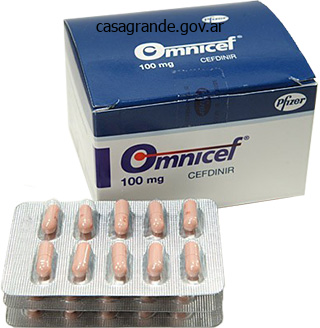
Omnicef dosages: 300 mg
Omnicef packs: 30 pills, 60 pills, 90 pills, 120 pills, 180 pills
Purchase omnicef discount
An operative staging system and a megavoltage radiotherapeutic technic for cerebellar medulloblastomas. Histological variants of medulloblastoma are probably the most powerful scientific prognostic indicators. Are there elements that determine a necessity for everlasting cerebrospinal fluid diversion Management of hydrocephalus in kids with medulloblastoma: prognostic components for shunting. Factors predicting the need for cerebrospinal fluid diversion following posterior fossa tumor surgery in youngsters. The cerebellar mutism syndrome and its relation to cerebellar cognitive perform and the seventy five. Long-term effects of transient cerebellar mutism after cerebellar astrocytoma or medulloblastoma tumor resection in childhood. Medulloblastoma cerebelli; diagnosis, therapy and survivals, with a report of 56 instances. The therapy and prognosis of medulloblastoma in kids: a study of 82 verified cases. Medulloblastoma in childhood: results of radical resection and low-dose neuraxis radiation remedy. Low-stage medulloblastoma: last evaluation of trial evaluating standard-dose with reduced-dose neuraxis irradiation. Standard-risk medulloblastoma treated by adjuvant chemotherapy adopted by reduced-dose craniospinal radiation remedy: a French Society of Pediatric Oncology study. Risk-adapted craniospinal radiotherapy adopted by high-dose chemotherapy and stemcell rescue in youngsters with newly recognized medulloblastoma (St Jude Medulloblastoma-96): long-term outcomes from a prospective, multicentre trial. Intensity-modulated radiation therapy for pediatric medulloblastoma: early report on the reduction of ototoxicity. Patterns of failure using a conformal radiation therapy tumor bed increase for medulloblastoma. Hippocampal sparing radiotherapy for pediatric medulloblastoma: impression of remedy margins and therapy approach. Radiobiological risk estimates of adverse events and secondary most cancers for proton and photon radiation remedy of pediatric medulloblastoma. Potential reduction of the incidence of radiation-induced second cancers by utilizing proton beams within the treatment of pediatric tumors. Estimated scientific benefit of protecting neurogenesis within the developing brain throughout radiation remedy for pediatric medulloblastoma. Survival and late results in medulloblastoma sufferers handled with craniospinal irradiation beneath three years old. Serial analysis of educational and behavioral end result after treatment with cranial radiation in childhood. Neurocognitive penalties of risk-adapted therapy for childhood medulloblastoma. Thyroid dysfunction as a late effect in childhood medulloblastoma: a comparison of hyperfractionated versus conventionally fractionated craniospinal radiotherapy. Proton radiation remedy for pediatric medulloblastoma and supratentorial primitive neuroectodermal tumors: outcomes for very younger children treated with upfront chemotherapy. Postoperative neoadjuvant chemotherapy before radiotherapy as in comparability with quick radiotherapy adopted by upkeep chemotherapy within the treatment of medulloblastoma in childhood: results of the German 113. Reduced-dose craniospinal radiotherapy followed by tandem high-dose chemotherapy and autologous stem cell transplantation in patients with high-risk medulloblastoma. Hyperfractionated accelerated radiotherapy within the Milan strategy for metastatic medulloblastoma. Dose intensive melphalan and cyclophosphamide with autologous hematopoietic stem cells for recurrent medulloblastoma or germinoma. Medulloblastoma within the second decade of life: a specific group with respect to toxicity and administration.
Discount omnicef express
In a trend toward less invasive remedy of Chiari I malformation, treatment has included bony decompression solely, with out opening of the dura. However, there stay issues that a bone-only strategy could not adequately address any potential intradural disease, such as arachnoid webs obstructing the obex, and could also be related to a better price of reoperation. The upfront value (and complication risk) of a shunt is low; nevertheless, the price is cumulative throughout the life of a affected person. Conclusions In an oft-quoted meta-analysis4 of five retrospective and two potential cohort studies with a complete of 582 patients, 316 sufferers had been treated with bony decompression and duraplasty, and 266 patients have been treated with bony decompression alone. Children undergoing suboccipital craniectomy, C1 laminectomy, and expansile duraplasty had a considerably decrease reoperation rate (2. No significant variations in scientific outcomes or syringomyelia resolution have been noted. The security and efficacy of bony decompression have been established and solely as recently as 2015. In the case of a patient who has residual or recurrent Chiari signs treated previously with a bony decompression, surgeons are apt solely to recommend reoperation with additional intradural exploration and expansile duraplasty. On the opposite hand, a surgeon who has already handled a affected person with bony decompression and expansile duraplasty is less prone to return the affected person to the operating room for reoperation, regardless of the presence of persistent Chiari signs. The pure historical past, pathogenesis, administration, and surgical therapy of symptomatic Chiari malformation have yet to be elucidated. Large multicentered retrospective and prospective research conducted by way of collaboratives, such as the ParkReeves Syringomyelia Research Consortium, are necessary for additional clarifying the complex relationships amongst Chiari malformation, syringomyelia, bony abnormalities at the craniocervical junction, and any proposed therapies. Aggressive Resection versus Limited Resection Plus Radiation for Craniopharyngioma the Issue Craniopharyngiomas come up inside the sellar and suprasellar regions of the intracranial area. These tumors are available contact with and could additionally be densely adherent to important neurovascular buildings such as the pituitary stalk, optic chiasm, hypothalamus, carotid arteries, and basilar artery. As a outcome, attaining a gross whole resection for these tumors with out causing significant morbidity is a formidable task. In addition, despite gross total resection, the rate of tumor recurrence is significant. Some authors help gross whole resection, citing that it affords the best chance of remedy with the chance that the affected person can keep away from radiation remedy altogether. Yet different authors have argued for intracavitary therapy of predominantly cystic craniopharyngiomas with phosphorus 3229 or bleomycin. A 20% to 25% rate of tumor recurrence characterizes the patients who need aggressive surgical procedure, whereas a 20% to 25% price of tumor progression characterizes those who should endure restricted resection plus radiation therapy. Nonetheless, the numbers simply cited recommend that high quality of life is greatest maintained with limited surgery plus radiation. Conservative versus Prophylactic Untethering for Spinal Lipoma the Issue Spinal lipomas constitute a diverse group of pathologic conditions, including lipomyelomeningocele. Typically associated with an obvious lumbosacral soft tissue (lipomatous) mass, spinal lipomas are congenital lesions generally accompanied by findings of radiographic tethering of the spinal cord. The optimum therapy of youngsters with asymptomatic spinal lipomas has yet to be decided. At 9 years, the actuarial dangers of decay according to Kaplan-Meier evaluation had been 33% for the conservatively treated sufferers and 46% for the historic cohort of surgically treated patients. There was no statistically significant distinction within the dangers of neurological deterioration for sufferers who have been handled conservatively and these that underwent early surgical procedure. These outcomes counsel that conservative therapy of symptom-free children is a sensible possibility. Nonetheless, definitive suggestions could be established solely after a randomized managed trial of early surgical procedure versus conservative management is performed. Acknowledgments the section editors for the "Pediatrics" part are grateful for the large efforts of the quite a few authors who contributed their experience, time, and writing skills towards creating a truly magnificent work representing the breadth and depth of pediatric neurosurgery. Richard Winn for his management in guiding this monumental project and labor of affection to completion. It is hoped that readers will acquire an appreciation of the historical past of pediatric neurosurgery, be amazed at its present state, and be inspired by its future challenges and guarantees. Food and Drug Administration panel contemplated, debated, and ultimately opposed this proposal on the next grounds: � There has to be the possibility of a direct profit to the concerned child to permit a process or therapy that places the kid at risk for extra than just minimal harm. Comparison of posterior fossa decompression with and without duraplasty for the surgical remedy of Chiari malformation sort I in pediatric patients: a meta-analysis.
Order omnicef on line amex
Prognostic worth of psychological testing in sufferers undergoing spinal wire stimulation: a potential study. Spinal cord stimulation in refractory angina pectoris-clinical outcomes and mechanisms. Analgesic efficacy of highfrequency spinal cord stimulation: a randomized double-blind placebocontrolled study. Topographical distribution of paresthesiae-a preliminary evaluation of 266 combinations with contacts implanted in the midcervical and midthoracic vertebral levels. Cholinergic mechanisms involved within the pain relieving impact of spinal wire stimulation in a model of neuropathy. Intrathecal baclofen as adjuvant remedy to enhance the effect of spinal cord stimulation in neuropathic ache: a pilot examine. Spinal wire stimulation versus reoperation for failed again surgery syndrome: a potential, randomized examine design. Spinal twine stimulation for patients with failed again surgical procedure syndrome or complex regional pain syndrome: a scientific evaluate of effectiveness and complications. Putative mechanisms behind results of spinal twine stimulation on vascular diseases: a evaluation of experimental studies. Spinal cord stimulation for ischemic coronary heart illness and peripheral vascular disease. Spinal cord stimulation in refractory angina pectoris: clinical results and mechanisms. Cervical spinal twine stimulation could prevent cerebral vasospasm by modulating sympathetic activity of the superior cervical ganglion at lower cervical spinal level. Use of cervical spinal wire stimulation in remedy and prevention of arterial vasospasm after aneurysmal subarachnoid hemorrhage: technical details. Spinal wire stimulation in therapy of continual benign pain: challenges in treatment planning and current status, a 22-year expertise. Computer modelling of spinal wire stimulation and its contribution to therapeutic efficacy. Optimum electrode geometry for spinal cord stimulation: the narrow bipole and tripole. Spinal twine stimulation electrode design: a potential, randomized, controlled trial comparing percutaneous with laminectomy electrodes. Rechargeable spinal twine stimulation versus non-rechargeable system for patients with failed again surgery syndrome: a cost-consequences analysis. Technical performance of percutaneous leads for spinal cord stimulation: a modeling examine. Electrical stimulation of excitable tissue: design of efficacious and secure protocols. Is fixed current or constant voltage spinal twine stimulation superior for the suppression of nociceptive visceral and somatic stimuli Patient-perceived variations between constant current and constant voltage spinal twine stimulation systems. Conventional and kilohertzfrequency spinal wire stimulation produces intensity- and frequencydependent inhibition of mechanical hypersensitivity in a rat mannequin of neuropathic pain. Spinal wire stimulation reduces mechanical hyperalgesia and glial cell activation in animals with neuropathic ache. Analgesic efficacy of high-frequency spinal cord stimulation: a randomized doubleblind placebo-controlled study. Topographical distribution of paresthesiae- a preliminary evaluation of 266 combos with contacts implanted 178 1445. Minimally invasive placement of epidural plate electrodes under local anaesthesia in spinal twine stimulation. Minimally invasive implantation of epidural spinal wire neurostimulator electrodes by using a tubular retractor system: technical note. Implantation of surgical electrodes for spinal cord stimulation: classical midline laminotomy approach versus minimal invasive unilateral method mixed with spinal anaesthesia. The use of intraoperative electrophysiology for the position of spinal twine stimulator paddle leads beneath basic anesthesia.
Discount omnicef 300mg without a prescription
Delays in milestone achievement or, more importantly, regression of beforehand gained perform must be notably famous. Finally, the age of menses onset in young women and pubertal staging in young males ought to be ascertained, because these are useful markers for when maximal spine growth will occur. The presence of back pain is far more rare in pediatric than in adult spinal deformity. Therefore, if a baby complains of back ache, it should be paid special consideration as a outcome of the chance of an underlying abnormality is normally much greater. Samdani is a advisor for DePuy Synthes Spine, Zimmer Spine, Stryker, Globus Medical, Ethicon, and Zimmer-Biomet. Prominence of the proper scapula and rib cage is noted in addition to a coronal scoliosis. B, the patient is requested to stand together with her feet together, knees locked in extension, and to bend at the waist with the arms hanging forward freely with the palms opposed. When evaluated together with an in depth historical past and physical examination, plain radiographs can assist in the choice to get hold of more superior imaging. In lateral bending movies, the patient is requested to bend to the proper and left whereas standing, and these films are compared with the impartial movies. Hyperextension films for assessing patients with kyphosis can also be obtained with use of a bolster. These types of radiographs assist in assessing the diploma of rigidity of the deformity and help with surgical decision making. Initial radiographs can be assessed for multiple radiographic parameters to assist clarify the exact sort of deformity and the surgical procedures, if any, which would possibly be required for the affected person. Skeletal maturity may be assessed with the Sanders7 stage on hand movies or by assessing the triradiate cartilage of the olecranon. We rely on the measurement of the clavicle angle as described by Kuklo and associates. It is necessary to include the femoral heads and pelvis on this view or to acquire further standing views that embrace these structures in order to determine the pelvic incidence, pelvic tilt, and sacral slope. Positive sagittal stability is current if C7 is anterior to the sacrum, and adverse stability if C7 is posterior to the sacrum. Often, T1 is troublesome to establish on a lateral x-ray, so T5 is routinely used as a surrogate marker for the rostral extent of the thoracic kyphosis. Lumbar lordosis is measured as the Cobb angle from the superior finish plate of L1 to the superior finish plate of S1, although some clinicians measure from the inferior end plate of T12. The sacral slope plus the pelvic tilt all the time equals the pelvic incidence (measured in degrees). The distinction between this line and the central sacral vertical line (dashed white line) is defined because the coronal steadiness (double-headed white arrow). The distinction between this line and a line by way of the posterior superior edge of the sacrum (dashed white line) is outlined because the sagittal balance (double-headed white arrow). Shoulder balance (a) may be measured by the angle fashioned from the intersection of a horizontal line and the tangential line connecting the best two points of every clavicle. In a similar manner, pelvic obliquity (b) is set by the intersection of a horizontal line and the tangential line connecting the best two points on every iliac crest. These sagittal images at the facet of axial pictures ought to be utilized to assess for Chiari I malformation, syringomyelia or hydromyelia, level of termination of the conus, and filum terminale thickening or lipoma. Contrast-enhanced imaging could additionally be useful in assessing for neoplastic and inflammatory situations. Coronal T2-weighted imaging is useful in assessing for spinal column abnormalities (hemivertebrae, block vertebra) and spinal twine abnormalities (split wire malformation). Nonspinal problems corresponding to renal anomalies may be observed by the way and assist in the overall diagnosis. Ultrasonography Ultrasonography is being used more and more to display screen young neonates and infants youthful than 4 months for intraspinal pathologic conditions that can lead to spinal deformity. The most typical etiology, nonetheless, is idiopathic scoliosis, which is diagnosed solely after exclusion of these other predisposing ailments. Conditions recognized to be associated with scoliosis embody neuromuscular problems, congenital anomalies, syringomyelia, Chiari malformation, connective tissue disorders, neurofibromatosis, dwarfism syndromes, and other skeletal dysplasias.
Order omnicef 300mg line
However, lower than two thirds of tumors that progressed after irradiation might be salvaged. Long-term, 10- and 20-year survival and quality-of-life metrics still needs to be determined. Regardless of therapeutic paradigm, these youngsters require a multidisciplinary approach, ideally in a relatively high-volume middle. With fewer than 200 pediatric craniopharyngiomas occurring each year in the United States, triage to facilities with in depth surgical and/ or radiation oncology experience is beneficial. With related rates of disease management and recurrence, the choice of treatment paradigm relies Cavalheiro S, Di Rocco C, Valenzuela S, et al. Recurrent craniopharyngioma after conformal radiation in children and the burden of treatment. Obesity after childhood craniopharyngioma-German multicenter study on pre-operative threat elements and high quality of life. Long-term end result and reconsideration of intracystic chemotherapy with bleomycin for craniopharyngioma in kids. Intracranial Tumors: Notes upon a Series of Two Thousand Verified Cases with Surgical-Mortality Percentages Pertaining Thereto. Long-term effects of conservative surgical procedures mixed with radiation remedy. Early adjuvant radiotherapy towards long-term survival and higher high quality of life for craniopharyngiomas-a examine in single institute. Pathological and scientific foundation of the indications for therapy of craniopharyngiomas. Minimal residual calcification and recurrence after gross-total resection of craniopharyngioma in children. Surgery, radiation, and combination therapy within the therapy of childhood craniopharyngioma-a 20-year experience. Endocrine and neurologic consequence in childhood craniopharyngioma: evaluation of effect of treatment in 42 sufferers. Obesity in childhood craniopharyngioma: relation to post-operative hypothalamic injury shown by magnetic resonance imaging. Pediatric craniopharyngiomas: classification and treatment according to the diploma of hypothalamic involvement. Craniopharyngioma: results of survey of the American Society of Pediatric Neurosurgery. A comparison of the roles of surgery and radiation remedy in the administration of craniopharyngiomas. Neurobehavioral results of central nervous system prophylactic therapy of most cancers in kids. Neuropsychological status of children handled for brain tumors: a important review and integrative evaluation. Pediatric craniopharyngiomas: long term outcomes of combined treatment with surgery and radiation. Long-term neurobehavioral outcome in pediatric brain-tumor patients: evaluate and methodological critique. Surgical remedy of craniopharyngiomas: an analysis of the transsphenoidal and pterional approaches. Bifrontal basal interhemispheric approach to craniopharyngioma resection with or with out division of the anterior communicating artery. Radical resection of 202 pediatric craniopharyngiomas with particular reference to the surgical approaches and hypothalamic safety. Long-term neurological, visual, and endocrine outcomes following transnasal resection of craniopharyngioma. Surgical elimination of craniopharyngiomas by the transcranial strategy through the lamina terminalis and sphenoid sinus.
Absinthe (Wormwood). Omnicef.
- Are there safety concerns?
- What is Wormwood?
- Dosing considerations for Wormwood.
- Loss of appetite, indigestion, gallbladder disorders, low acid in the stomach, wounds, insect bites, worm infestations, low sexual desire, spasms, and increasing sweating.
- How does Wormwood work?
- Are there any interactions with medications?
Source: http://www.rxlist.com/script/main/art.asp?articlekey=96713
Buy cheap omnicef online
We advocate a "no-touch" technique whereby all shunt equipment is handled utilizing sterile instruments as a lot as possible and direct contact with gloved arms is minimized. By contrast, the use of Medtronic BioGlide catheters and the utilization of antiseptic hand rub. As discussed earlier, we suggest ordering one intravenous dose of the preoperative antibiotic, though some authors suggest persevering with antibiotics for twenty-four to 48 hours or more postoperatively. A chest x-ray is routinely ordered within the recovery room following ventriculoatrial and ventriculopleural shunt placement to guarantee catheter place in the atrium and to exclude pneumothorax, respectively. Computed tomography, ultrasound, or magnetic resonance imaging of the top may also be carried out to consider ventricular catheter place and ventricle dimension, although we attempt to minimize computed tomography use due to growing issues surrounding the risks of radiation publicity in children. Frontal(Coronal)Approach the top is rotated barely to the contralateral aspect in order to enable exposure of the retroauricular area for eventual passage of the distal catheter. Alternatively, monopolar cautery can be applied to a bayonet whose closed suggestions are positioned on the dura. Intraoperative ultrasound and/or frameless stereotactic neuronavigation could also be used to guide ventricular catheter placement. Several authors have reported larger accuracy of catheter placement and also decrease shunt revision charges using ultrasound142,143 and stereotaxy143-145 in comparability with conventional freehand ("blind") strategies. This idea is also supported by studies reporting no distinction in shunt failure charges with endoscopic-assisted ventricular catheter insertion versus conventional strategies. Complications Naturally, one of the dangers associated with ventricular cannulation is bleeding. However, sufferers harboring intracranial tumors may have greater predilection for bleeding complications. These factors may increase the chance of inadvertently inserting the catheter within the preperitoneal fats somewhat than throughout the peritoneal space. Vascular or visceral damage, luckily, is a far rarer complication in the intraoperative setting. Reports have been published of the peritoneal catheter migrating into the gallbladder,a hundred and eighty oral cavity,181,182 anus,183,184 scrotum,183,185 umbilicus,183,186,187 coronary heart,188-192 thorax,193-195 pulmonary artery,188,191,196 and bladder,197,198 amongst different sites. The affected person is positioned supine and bolstered in order that the mastoid, clavicle, and xiphoid are coplanar to facilitate tunneling. Abdominal entry may be obtained by (1) minilaparotomy, (2) laparoscopic-assisted technique, or (3) trocar method. The anterior rectus sheath is incised and the rectus abdominis muscle is split longitudinally. The posterior rectus sheath is grasped with two Crile hemostats, which are pulled taut in opposite directions, and incised with Metzenbaum scissors. Often the peritoneum might be adherent to this fascial layer, in which case the peritoneal cavity might be encountered. Otherwise, the underlying peritoneum is picked up using two clamps and incised in an identical way. The peritoneal edges are secured utilizing the identical two clamps used to grasp the peritoneum. A 5-mm port is inserted through the identical incision, and the laparoscope is launched into the peritoneum. Additional 5-mm ports could additionally be positioned as needed to lyse adhesions and/or remove an old catheter. A peelaway needle introducer, which will be used to place the catheter under direct visualization, is inserted within the midepigastrium. Several reports have discovered laparoscopic-assisted peritoneal catheter insertion to be a secure and viable alternative to the standard minilaparotomy method, with reduced operative times, inpatient lengths of stay, blood loss, and problems. With upward pressure maintained on the anterior belly wall, the trocar is advanced parallel to the ground, aiming towards the ipsilateral iliac crest. Two "pops" ought to be felt as the trocar penetrates the tissues, the primary coming from the anterior rectus sheath and the second from the posterior rectus sheath/peritoneum. Care have to be taken to avoid passing beneath the ribs or clavicle, deep into the neck, or across the cranium base because these trajectories threat chest/lung, neck, and cranial penetration, respectively. The tunneler, which is a long steel rod with a disposable plastic sheath, is given a slight bend at the distal tip to create a hockey stick form.
Syndromes
- Having multiple sexual partners
- People of Native American, African, or Philippine descent
- Keep still and rest when symptoms occur.
- Girls 14 - 18 years: 65 mg/day
- Tape or tacks to hang the eye charts on the wall
- Headache behind the eyes
- Assistive devices, such as wheelchairs, bed lifts, shower chairs, walkers, and wall bars
- Healthy snacks
Discount generic omnicef canada
Additionally, patients with the Currarino triad and cloacal exstrophy usually have a tendency to have such malformations. In common, three standards are necessary to confirm the scientific impression of a tethered spinal cord on imaging: caudal descent of the conus, fatty infiltration and thickening of the filum terminale, and a drawn-out appearance of the distal conus. Occasional adult sufferers have many decades of symptom-free life only to come to clinical attention due to irreversible bladder dysfunction. Operative picture demonstrating a fatty filum terminale (centrally positioned and running over the suture). The patient had had recurrent bouts of urinary tract infection and episodes of urinary incontinence. Results of preoperative urodynamics had been abnormal but, at 1 year after surgery, had been found to be inside normal limits. Electrocautery is carried out at two factors, and the filum transected at every level. The dura mater and overlying gentle tissues are then closed in routine style (Video 232-1). They frequently penetrate the dura of an associated bony median septum or may simply exit dorsally. This tethering leads to neurological deficits referable to the caudal spinal twine. Tubbs and associates46 beforehand reported 19 patients with meningocele manqu� confirmed at surgical procedure. An associated break up wire malformation was current in 74% (4 of whom had bony septa, and three fibrous septa). At surgical procedure, 63% of the patients were found to have intradural bands from the wire to the inside facet of the dorsal dura, whereas 37% had intradural bands that pierced the dura and Treatment There is evident consensus in the neurosurgical group that the symptomatic patient with a low-lying conus (conus positioned below the L1-L2 interspace) and a fatty filum ought to undergo surgical untethering. Sectioning of the filum is carried out with an strategy via the L5-S1 interspace with laminotomies of L5 and S1 to help in exposure. Twenty-one percent of the bands occurred at one vertebral level, 42% at two vertebral levels, and 21. Symptoms In the Tubbs collection,46 84% of sufferers had abnormal neurological findings at the preliminary evaluation. The commonest symptom was decrease motoneuron disturbance similar to atrophy of the decrease extremity muscular tissues. In 37% of the patients, the preliminary findings on neurological examination had improved on the time of follow-up. In 47% they have been unchanged, and in 16%, the findings on examination had worsened at the time of follow-up. In the sequence reported by Tubbs and associates,46 only one patient had two nonadjacent vertebral ranges of involvement. In the appropriate scientific setting, exploration of the intradural contents to seek for these factors of fixation is justified. A small congenital opening within the pores and skin could additionally be missed on bodily examination and may not be thought-about until a affected person has suffered a neurological insult. These entities are seen mostly within the lumbosacral area and may be apparent only with assistance from magnification. Cranial dermal sinus tracts usually travel inferiorly towards deeper neural constructions, whereas lumbosacral tracts ascend from their origin to their vacation spot. Inclusion tumors (dermoid, epidermoid, teratoma) may be found anyplace along the dermal sinus tract in as a lot as 60% of sufferers. Approximately 60% of all dermal sinuses enter the subarachnoid area, with approximately 25% being hooked up to neural parts. The bands occasionally pierce the dura and terminate on the undersurface of the laminae. One affected person described by Tubbs and associates46 had a band that left the dura and formed a tense reference to a midline cutaneous defect that was exquisitely sensitive to touch. Tethering bands have additionally been described as traveling and attaching ventrally and may be found within the cervical region. The congenital dorsal bands lengthen from the right posterolateral aspect of the spinal cord. This band was adherent to the underside of the dura and tented the spinal wire dorsally.
Buy 300mg omnicef otc
Multifactorial evaluation of predictors of outcome in pediatric intracranial ependymoma. Conformal radiotherapy after surgical procedure for paediatric ependymoma: a potential study. Supratentorial primitive neuroectodermal tumors of infancy: clinical and radiologic findings. Atypical teratoid/rhabdoid tumor of the central nervous system: a extremely malignant tumor of infancy and childhood incessantly mistaken for medulloblastoma: a Pediatric Oncology Group research. Central nervous system atypical teratoid/rhabdoid tumor: results of therapy in youngsters enrolled in a registry. Intensive induction chemotherapy followed by excessive dose chemotherapy with autologous hematopoietic progenitor cell rescue in young kids newly identified with central nervous system atypical teratoid rhabdoid tumors. Edwards progression-free and general survival rates of 9% to 21% and 22% to 47%, respectively. Ependymoma resections are categorized as gross complete, near total, subtotal, and biopsy. Ependymoma is the third most common pediatric brain tumor, behind astrocytoma and medulloblastoma, with an estimated incidence of 200 new instances per yr. Supratentorial ependymomas and, specifically, these with markers of neuronal differentiation have better prognoses than infratentorial ependymomas. Other variables which have been proven to influence survival are the extent of disease at diagnosis, age of the patient at diagnosis, and tumor location. Age at Diagnosis Patients younger than three years at the time of diagnosis could have a poorer prognosis than older youngsters. Estimated 5-year progression-free and general survival charges are 12% and 22%, respectively, for children younger than three years in contrast with 60% and 75%, respectively, for kids older than three years. Extent of Resection the single most necessary determinant of outcome in pediatric ependymoma is the extent of surgical resection, emphasizing the role of the pediatric neurosurgeon. The 5-year progression-free and total survival rates in kids with gross whole resection are estimated to be 51% to 75% and 67% to 80%, respectively. Ependymomas are slowly rising tumors originating from the ventricular wall or spinal canal. Histologically, they seem as well-delineated, moderately mobile, glial tumors with round monomorphic nuclei and "salt and pepper" speckling of the chromatin. The tumors are characterised by perivascular pseudorosettes (groups of cells arranged radially around a blood vessel) and, less commonly, by true ependymal rosettes. Anaplastic ependymomas are malignant gliomas with ependymal differentiation, hypercellularity, nuclear pleomorphism, high mitotic exercise, microvascular proliferation, and pseudopalisading necrosis. Areas of hypercellularity may be diffuse or focal and should form well-circumscribed areas abutting these of decrease cellularity. Additionally, areas of cytologic atypia, together with elevated nuclear-to-cytoplasmic ratios and cellular pleomorphism, could also be seen. Histologic grading is tough to assess, and agreement on tumor grade amongst pathologists is poor. Grading alone may function a meaningful independent prognostic indicator for progression-free, however not general, survival,22 probably because molecular subgroups are histologically vague and tumor location appears to affect survival. Group B posterior fossa ependymomas are transcriptionally just like spinal ependymomas and have a greater prognosis than group A ependymomas. Group B tumors, however, are more frequent in adolescents and younger adults with a median age of 20 years, are midline, are genetically just like spinal ependymomas, are much less aggressive, and have a better prognosis. Cancer stem cells from ependymoma samples, but not medulloblastoma samples, specific markers of radial glial cells. A radial cell origin for ependymoma would definitely assist explain the extraventricular location of many supratentorial ependymomas. Furthermore, radial glial-type cells are current in the adult subventricular zone and spinal cord, which can function the initiating cells leading to adult ependymomas. It is important to evaluate the preoperative and postoperative movies aspect by facet to decide the situation and extent of residual tumor. Postoperative imaging must be done inside forty eight hours of surgical procedure to assess the extent of resection.
Best purchase for omnicef
If a leak is suspected, different procedures such as Chiari decompression surgical procedure or drainage of subdural fluid should be averted. Surgical closure is often wanted and effective solely with correct localization. These cysts account for about 1% of all nontraumatic intracranial mass lesions,162 though with increasing use of imaging, more incidental arachnoid cysts are discovered. However, these congenital lesions are commonplace in the clinic of a neurosurgeon who treats transitional disorders. Symptomatic instances might present with hydrocephalus, intracranial hypertension, seizures, or focal neurological deficits. For instance, seizures and headache are the most common symptoms of center cranial fossa cysts. In basic, surgical procedure is favored in patients with progressive hydrocephalus or intracranial hypertension. Men, specifically, usually have a tendency to harbor temporal fossa arachnoid cysts; ladies usually have a tendency to develop arachnoid cysts within the cerebellopontine angle. To date, no important differences in high quality of life have been reported with cyst shunting, excision with open craniotomy, or open versus endoscopic fenestration. Skull base arachnoid cysts surround very important neurovascular buildings, which complicates their remedy. These sufferers usually current with nonfocal signs, main shortly to a life-threatening condition. Importantly, cyst shunt failure can outcome in severe symptoms even with only very minimal reexpansion of the cyst, main the clinician away from concern about the cyst as cause. Other congenital anomalies are the norm: facial anomalies, particularly facial angiomas, had been recognized in 10% of cases in a single series,177 and cardiovascular anomalies are additionally noticed. The Dandy-Walker cyst will increase over time and, in 80% of children, hydrocephalus will end result. Options include ventriculoperitoneal shunting, cystoperitoneal shunting, and dual shunting methods, among others. Treatment of the posterior fossa cyst often entails diversion of the cyst fluid. Membrane excision, a earlier mainstay of therapy, has a high rate of failure and should be avoided as a first-line remedy. Chiari I malformation could turn out to be symptomatic in childhood, in younger maturity, or in some instances a lot later. Based on anatomy alone, the Chiari malformation has an estimated incidence of approximately 1%, 2%, and 3% in adult males, grownup females, and kids, respectively. Frequent growth of spinal twine syrinx in association with Chiari malformation 3. The absence of a consistent relationship between symptom development and static anatomic photographs 4. Whether the preliminary enhance in pulsatile strain differential arises from preliminary crowding or from initial enhance in cranial pulsation is unclear. This decreased compliance and elevated pulse pressure is just like that seen in hydrocephalus sufferers. The "unified concept" of Chiari malformation in spina bifida proposed by McLone and Knepper194,195 suggests a sequence of events that start with a neural tube defect in the lumbar spine. The developing cerebellum quickly outgrows its small bony housing, crowding out the brainstem together with the inferior cerebellar folia and tonsils, which herniate into the cervical spine. The authors described one shunt-related dying caused by unsuspected tonsillar herniation and five other patients who developed symptomatic tonsillar herniation in the end handled by suboccipital decompression. Although lower than 5% of this examine inhabitants required treatment for tonsillar herniation, the incidence of this finding in asymptomatic sufferers raises concern over the long-term effects of lumbar shunting in kids. Related pseudotumor, Chiari malformation, and syrinx ailments and their therapy. A, this affected person offered with signs of visual changes and cervical spinal syrinx. B, Magnetic resonance imaging exhibits lower in cerebellar tonsil compaction and syrinx size after the venous sinus intervention. Gardner proposed fourth ventricular outflow obstruction, forcing water down the central canal in a "hammer" trend and creating a syrinx. The lower fluid pressure in the spinal canal, in impact, pulls the tonsils additional downward together with fluid into the central spinal canal.
References
- Yamazaki H, Saito A, Ooi H, et al. Differentiation-induced cultured podocytes express endocytically active megalin, a heymann nephritis antigen. Nephron Exp Nephrol. 2004;96(2): e52-e58.
- Shear M. The aggressive nature of the odontogenic keratocyst: is it a benign cystic neoplasm? Part 1.
- Cannon CP, Battler A, Brindis RG, et al. American College of Cardiology key data elements and definitions for measuring the clinical management and outcomes of patients with acute coronary syndromes. A report of the American College of Cardiology Task Force on Clinical Data Standards (Acute Coronary Syndromes Writing Committee). J Am Coll Cardiol. 2001;38:2114-2130.
- Kidwell CS, Wintermark M. Imaging of intracranial haemorrhage. Lancet Neurol 2008;7:256-67.