


Andres E. Castellanos MD, FACS
- Assistant Professor of Surgery, Associate Program Director, Surgical Residency
- Program, Drexel University College of Medicine
- Director, Bariatric Program,
- Hahnemann University Hospital, Philadelphia, Pennsylvania
Chloroquine dosages: 250 mg
Chloroquine packs: 30 pills, 60 pills, 90 pills, 120 pills, 180 pills, 270 pills, 360 pills
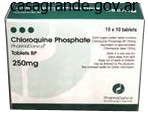
250 mg chloroquine with mastercard
First, consider the characteristics of hyaline cartilage that make it an efficient tissue for ease of joint mobility. Hyaline cartilage offers a smooth floor, so that bones in joints can move easily. When the sleek surface provided by hyaline cartilage is replaced by fibrous connective tissue, the graceful floor is changed by a less clean surface, and the movement of bones in joints is rather more tough. The elevated friction helps enhance the irritation and ache that occur within the joints of individuals that have rheumatoid arthritis. Inflammation produces 5 main symptoms: redness, warmth, swelling, ache, and disturbance of perform. Consequently, if the world is so badly broken that blood vessels are destroyed, then without blood vessels, no inflammation occurs within the damaged web site. However, blood vessels are nonetheless intact within the tissues surrounding the severely damaged area. Thus, the signs of irritation seem around the periphery of the damaged tissues. In the outline of the epidermis, the superficial layer of the pores and skin, we learned that the keratinized cells are coated with lipids to stop fluid loss. Previously, we discovered that micro organism are ubiquitous and are able to survive in environments thought to be uninhabitable A-29 Appendix G by any organism. It is clear that the hit was hard sufficient to rupture small blood vessels deep to the nail matrix. In chapter four we discovered that inflammation is the response that happens when tissues are broken and a standard inflammatory event is edema, or swelling at the damage website. The accumulation of blood and edema elevated the stress deep to the nail body, which stimulated pain receptors. When a gap was drilled via the nail, the amassed bloody fluid drained, lowering the pressure and, consequently, the ache. Since the nail matrix, which is proximal to the harm web site, was not injured, the nail continued to develop over the subsequent 2 months, until the injured space was pushed distally to the free fringe of the nail. In this article we learned that physique temperature is affected by blood circulate in the pores and skin. When body temperature decreases, blood move by way of the skin additionally decreases to cut back warmth loss. As skin temperature decreases and blood vessels constrict, tissue can be broken by the dearth of blood flow and ice crystal formation. Cold-induced vasodilation periodically will increase blood move and prevents or slows the rate of ice crystal formation. This technique for maintaining tissue homeostasis is helpful so lengthy as body temperature could be maintained. Also, we discovered that blood circulate determines the distribution of heat to totally different regions of the body. The white shade indicates the whole lack of blood flow via the skin of his ears and nose. The tissue will most probably be broken due to the absence of blood circulate in these areas. Remember that one of many major functions of the skin is to stop microorganisms from getting into the body. If frostbite destroys skin cells, this operate could be compromised, resulting in an infection. We discovered that Sam was administered giant volumes of fluid to counteract his elevated fluid loss. An grownup receiving intravenous fluids should produce 30 to 50 mL of urine per hour, and youngsters ought to produce 1 mL/kg of physique weight per hour. The e-book additionally states that vitamins must diffuse via the matrix before reaching the chondrocytes.
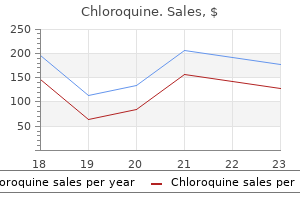
Buy chloroquine without a prescription
Depolarization of the smooth muscle plasma membrane ends in increased muscle contractions and increased permeability of the plasma membrane to each Na+ and Ca2+, which causes further depolarization and a rise within the intracellular concentration of Ca2+. These modifications outcome within the production of action potentials and muscle contractions. The cross-bridges would immediately re-form, and complete cross-bridge cycling would end in contraction of the muscle fibers. As lengthy as Ca2+ were current at high concentrations within the sarcoplasm, contraction of the muscular tissues would occur. Hormones can bind to ligand-gated Ca2+ channels, and the channels, in response, open. In experiment A, the scholars used anaerobic respiration as they started to run in place, but cardio respiration also increased to meet most of their power needs. When they stopped, their respiration price was elevated over resting ranges due to the compensation of the oxygen deficit because of anaerobic respiration. The color of the meat is determined by the number of capillaries (blood is red) within the muscle and relies on its myoglobin content (myoglobin is also red). After cooking, the tissues look darker, not pink, as a end result of the blood and myoglobin have been broken down by the heat. Thus, the darkish meat is darker as a end result of it incorporates extra capillaries and extra myoglobin. This is according to slow-twitch muscle fibers, that are used for sustaining posture and for performing gradual movements, similar to strolling. The white muscle, with fewer capillaries and decrease myoglobin content material, is in preserving with fast-twitch muscle fibers, which are used for quick movements, such as operating or flying. Muscle Longus capitis Synergist Rectus capitis anterior, longus colli Erector Extends Interspinales, spinae vertebral multifidus, column semispinalis thoracis Coraco- Adducts Latissimus brachialis arm dorsi, pectoralis major, teres main, teres minor Flexes Deltoid arm (anterior), pectoralis main, biceps, brachii Action Flexes neck Antagonist Most of the posterior neck muscular tissues Most of the anterior belly muscle tissue Deltoid, supraspinatus 5. Deltoid (posterior), latissimus dorsi, teres main, teres minor, infraspinatus, subscapularis, triceps brachii eight. The brachioradialis originates on the humerus and inserts onto the distal finish of the radius. In an accident inflicting hyperextension of the neck, these muscular tissues can be stretched and torn. The muscle tissue concerned can embrace the sternocleidomastoid, longus capitis, rectus capitis anterior, and longus colli. Automobile headrests are designed in order that, if adjusted correctly, the again of the pinnacle hits the headrest during a rear-end accident, thereby stopping hyperextension of the neck. The solely muscle that elevates the lower eyelid is the orbicularis oculi, which "closes the attention. The levator anguli oris, which elevates the angle of the mouth, was additionally affected, allowing the corner of the mouth to droop. The zygomaticus major can also have been affected, because it inserts onto the corner of the mouth (see figure 10. If it turns into relaxed, or paralyzed, the tongue might fall again and impede the airway. This may be prevented or reversed by pulling ahead and down on the mandible, thus opening the mouth. As the mandible is pulled down and ahead, the genioglossus is pulled forward with the mandible, thus pulling the tongue forward additionally. The rotator cuff muscular tissues are the primary muscle tissue holding the top of the humerus in the glenoid fossa, particularly the supraspinatus. In truth, a torn rotator cuff, which often entails a tear of the supraspinatus muscle, usually ends in dislocation of the shoulder. Speedy has ruptured the calcaneal tendon, and the gastrocnemius and soleus muscle tissue have retracted, causing the irregular bulging of the calf muscles. First the arm is extended slightly to push the forearm and hand along the sting of the book. This motion includes the flexor pollicis brevis and flexor digitorum superficialis to the index finger (the flexor digitorum profundus may also be involved). The page is then turned by extending the fingers (extensor digitorum), pronating the hand (pronator quadratus and pronator teres), and medially rotating the arm (pectoralis main, teres main, latissimus dorsi). Because the plasma membrane is far less permeable to Na+ than to K+, modifications within the extracellular concentration of Na+ affect the resting membrane potential less than do modifications in the extracellular focus of K+. Therefore, will increase in extracellular Na+ have a minimal impact on the resting membrane potential.
Diseases
- Nakamura Osame syndrome
- Allergic encephalomyelitis
- Hennekam syndrome
- Magnesium wasting renal
- Angiolipoma
- Pterygium colli
Purchase chloroquine
However, the entire cross-sectional space considers the mixed area of all capillaries, which quantity approximately 10 billion within the body. So the total cross-sectional space of all capillaries is 2500 cm2, which is far larger than the cross-sectional space of the aorta (figure 21. As blood flows via the circulation, the rate of flow changes relative to the total cross-sectional space. The velocity of blood circulate is best within the aorta, but the whole crosssectional area is small. In distinction, the whole cross-sectional space of the capillaries is large, however the velocity of blood move is low. As the veins become larger in diameter, their total crosssectional space decreases, and the velocity of blood move increases. The relationship between total cross-sectional space and velocity of blood circulate is much like a stream that flows quickly by way of a slender gorge but more slowly through a broad airplane (figure 21. Resistance to blood move within the veins is small due to their comparatively large diameter; by the point the blood reaches the right atrium in the venous system, the common strain has decreased from 10 mm Hg to approximately zero mm Hg. The muscular arteries and arterioles are able to constricting or dilating in response to autonomic and hormonal stimulation, altering resistance and blood move. If vessels constrict, resistance to blood flow will increase, much less blood flows through the constricted blood vessels, and blood is shunted to different, nonconstricted areas of the body. Muscular arteries assist management the amount of blood flowing to each body area, and arterioles regulate blood move via particular tissues. Constriction of an arteriole decreases blood circulate via the local area it supplies, and vasodilation increases blood move. List the p.c distribution of blood within the massive arteries, small arteries, arterioles, capillaries, small veins, and enormous veins. Describe the total cross-sectional areas of the aorta, arteries, arterioles, capillaries, venules, veins, and venae cavae. Describe how the speed adjustments as blood flows by way of the aorta to the venae cavae. Describe the modifications in resistance and blood stress as blood flows by way of the aorta to the venae cavae. Explain how constriction and dilation of muscular arteries shunt blood from one space of the physique to one other and how constriction and dilation of arterioles change blood flow through native areas. For instance, in a healthy, younger adult at rest, systolic pressure is approximately one hundred twenty mm Hg, and diastolic strain is roughly 80 mm Hg; thus, the pulse strain is roughly forty mm Hg (= a hundred and twenty mm Hg � eighty mm Hg). Two main components affect pulse stress: (1) stroke volume of the heart and (2) vascular compliance. When stroke quantity decreases, pulse pressure additionally decreases; when stroke quantity increases, pulse pressure increases. For example, throughout exercise, such as working, the stroke volume will increase; as a consequence, the heartbeat pressure additionally increases. After operating, the heart beat strain gradually returns to its resting worth because the stroke volume of the center decreases. Arteries in older folks turn into much less elastic, or arteriosclerotic, causing the pressure in the aorta to rise extra quickly and to a greater degree throughout systole and to fall extra rapidly to its diastolic value. Thus, for a given stroke volume, systolic stress and pulse stress are larger as vascular compliance decreases. Its rate of transmission is roughly 15 times higher within the aorta (7�10 m/s) and 100 instances larger in the distal arteries (15�35 m/s) than the rate of blood move. The pulse is important clinically as a outcome of well being professionals can determine coronary heart rate, rhythmicity, and different characteristics by feeling it. The pulse could be felt at 10 major areas on all sides of the physique the place massive arteries are close to the floor (figure 21. On the top and neck, a pulse could be felt in three arteries: (1) the widespread carotid artery within the neck, (2) the superficial temporal artery instantly anterior to the ear, and (3) the facial artery at the level the place it crosses the inferior border of the mandible roughly halfway between the angle and the genu. On the higher limb, a pulse can also be felt in three arteries: (1) the axillary artery in the axilla, (2) the brachial artery on the medial facet of the arm barely proximal to the elbow, and (3) the radial artery on the lateral aspect of the anterior forearm just proximal to the wrist.
Generic 250mg chloroquine with visa
When acetylcholine binds to every receptor subtype, does it result in an excitatory or an inhibitory cell response Do the radial muscles or the round muscular tissues of the iris cause the pupil to dilate Based on this remark, what causes the blurred imaginative and prescient and which kind of drug is within the pupil-dilating eyedrops Based on this remark, which sort of drug is within the pupil-constricting eyedrops Adrenergic receptors are subdivided into two main categories: alpha receptors and beta receptors. The primary subtypes of alpha receptors are 1- and 2-adrenergic receptors; the subtypes of beta receptors are 1- and 2-adrenergic receptors. Adrenergic receptors could be stimulated in two ways: by the nervous system or by epinephrine and norepinephrine released from the adrenal gland. Sympathetic postganglionic neurons launch norepinephrine, which stimulates adrenergic receptors within synapses (figure sixteen. For instance, blood vessels are continually stimulated to contract through the discharge of norepinephrine. Increased stimulation causes additional constriction and reduces blood move, whereas decreased stimulation ends in dilation and will increase blood flow. The management of blood vessel diameter performs an important position in regulating blood circulate and blood pressure (see chapter 20). Autonomic reflexes contain adjustments to cardiac muscle, clean muscle, and glandular tissues in response to stimuli. Like other reflexes, autonomic reflex arcs involve sensory receptors, sensory neurons, interneurons, motor neurons, and effector cells (figure 16. For instance, baroreceptors (stretch receptors) in the partitions of enormous arteries near the center detect modifications in blood pressure, and sensory neurons transmit information from the baroreceptors through the glossopharyngeal and vagus nerves to the medulla oblongata. Conversely, a sudden decrease in blood pressure initiates a sympathetic reflex, which stimulates the center to improve its fee and drive of contraction, thereby rising blood strain. The climate was cool, but he began to sweat in the course of the race and continued to sweat for a quick time afterward. Vagus nerve (a) Terminal ganglion Other autonomic reflexes help regulate blood stress (see chapter 21). For instance, quite a few sympathetic neurons transmit a low but comparatively fixed frequency of motion potentials that stimulate blood vessels throughout the body, keeping them partially constricted. If the vessels constrict further, blood strain will increase; in the event that they dilate, blood strain Glossopharyngeal decreases. Thus, altering the frequency of motion nerve potentials delivered to blood vessels alongside symDecrease in blood pressure pathetic neurons can either increase or lower blood detected by carotid stress. For essentially the most part, stimulaHeart rate tion of the posterior hypothalamus produces symincreases, pathetic responses, whereas stimulation of the causing blood Sympathetic strain anterior hypothalamus produces parasympathetic (b) chain ganglia to enhance. The enter is built-in within the medulla oblongata, and motor output is sent to the guts. Increased blood pressure ends in elevated stimulation of system, which performs an important position within the coronary heart by the vagus nerves, which increases inhibition of the guts and lowers the center rate. For pathetic nerves, which in flip increases stimulation of the heart and increases the guts price and example, pleasant ideas of a delicious banthe drive of contraction. For the sympathetic division, mind control of sympathetic neurons is misplaced under the location of the damage. This restoration is particularly essential for reflexes involving urination and defecation. S the enteric nervous system is involved with both autonomic reflexes and native reflexes that regulate the exercise of the digestive tract. These sensory neurons send motion potentials through the enteric plexuses to motor neurons, inflicting easy muscle to contract or chill out. Describe the autonomic reflex that maintains blood pressure by altering the guts fee or the diameter of blood vessels. Predict 6 Important sensory receptors that monitor blood stress are positioned in arteries within the chest above the center and in arteries in the head. When Sarah does a headstand, gravity causes the blood in her arteries to circulate toward her head, and the blood pressure within the arteries of her chest and head will increase.
Purchase chloroquine 250mg overnight delivery
Diarrhea that lasts sym lower than 2�3 weeks is acute diarrhea; diarrhea lasting longer is think about considered persistent. Acute diarrhea is often self-limiting, however some types of diarrhea may be fatal if not treated. Diarrhea outcomes fo from ei both a lower in fluid absorption within the gut or an increas improve in fluid secretion. It can be attributable to elevated bowel motor exercise that moves chyme quickly by way of the small gut, in order that more water enters the colon. Normally, about 600 mL of fluid enter the colon every day, and all however 150 mL are reabsorbed. The lack of more than 200 mL of fluid m per day within the stool is taken into account irregular. This mucus accommodates giant portions of bic bicarbonate ions, which come from dissociation of carbonic ac acid into bicarbonate ions and hydrogen ions throughout the blood su provide to the colon. The bicarbonate ions enter the mucus se secreted by the colon, whereas the hydrogen ions remain in th the circulation; in consequence, the blood pH decreases. Diarrhea is normally caused by micro organism, viruses, amoebic parasites, or chemical toxins. Symptoms can start from as little as 1�2 hours after bacterial toxins are ingested to as lo long as 24 hours or more for some strains of bacteria. Identifying the causal organism often requires laboratory evaluation of the food or stool but, in cases of acute diarrhea, the infectious agent is seldom identified. Tom Name:: Male Gender eight 3 Age: nts t Comme from ou a tourist tarted Tom, untry, s of the co ce sharp rien to expe dominal in his ab egan pains e also b area. The general decline within the defenses of the digestive tract leaves elderly individuals more susceptible to infections and poisonous brokers. Elderly people are due to this fact extra prone to develop ulcerations and cancers of the digestive tract. Colorectal cancers, for instance, are the second main explanation for most cancers deaths within the United States, with an estimated 135,000 new instances and fifty seven,000 deaths each year. It might be the primary cause that aged individuals take antacids, H2 antagonists, and proton pump inhibitors. The stimulus to defecate could turn into so sturdy that it overcomes the voluntary management mechanisms. Abdominal pain, a lot of which is felt as referred pain, can occur as the end result of irritation and distension of the colon. As the results of decreased blood pH, the rate of respiration increases to eliminate carbon dioxide, which helps eliminate excess H+. In addition, decreased extracellular fluid quantity and anxiousness result in elevated launch of epinephrine and norepinephrine from the adrenal medulla. In the case of bacterial diarrhea, the immune response is initiated to start production of antibodies towards bacteria and bacterial toxins. The lowered blood volume prompts the baroreceptor reflex, which maintains blood quantity and blood stress. The muscular tissues of mastication are inclined to turn out to be weaker; as a result, older individuals are most likely to chew their meals less earlier than swallowing. Another age-related complication in the digestive system involves the method in which medications and other chemical substances are absorbed from the digestive tract. The decreased mucous overlaying and the thinned connective tissue layers allow chemical substances to cross more readily from the digestive tract into the blood. However, a decline in the blood provide to the digestive tract hinders the absorption of such chemicals. Drugs administered to deal with most cancers, which happens in lots of aged people, could irritate the mucosa of the digestive tract, resulting in nausea and loss of urge for food. What are the results of the overall decline within the defenses of the digestive tract with advancing age
Order 250 mg chloroquine otc
Although calcium ions are actively transported along the entire size of the small gut, vitamin D is required for that transport process. The absorption of calcium is beneath hormonal management, as are its excretion and storage. Parathyroid hormones, calcitonin, and vitamin D all play a task in regulating blood levels of calcium (see chapters 6, 18, and 27). Describe the mechanism of absorption and the route of transport for water-soluble and lipid-soluble molecules. Water About 9 L of water enter the digestive tract every day as a mixture of ingested and secreted fluids. Of this 9 L, about 92% is absorbed within the small gut, and another 6�7% is absorbed in the large intestine (figure 24. Water moves in both direction across the wall of the small gut by osmosis. Osmotic gradients across the epithelium determine the direction of this diffusion. When the chyme is dilute, water is absorbed by osmosis across the intestinal wall into the blood. When the chyme could be very concentrated and Villus Amino acid transport 1 Acidic and most impartial amino acids are absorbed by symport into intestinal epithelial cells. Explain how tripeptides, dipeptides, and amino acids enter intestinal epithelial cells. The connective tissue layers of the digestive tract-the submucosa and serosa-tend to thin. The variety of clean muscle cells in the muscularis also decreases, leading to reduced motility in the digestive tract. Glands along the digestive tract, such as the gastric glands, the liver, and the pancreas, also are inclined to secrete less with age. Through the years, the digestive tract, just like the skin and lungs, is immediately exposed to materials from the outside surroundings. Some of those substances may cause mechanical damage to the digestive tract, and others are poisonous to the tissues. In addition, the mucosa of elderly folks tends to heal extra slowly following injury. Diarrhea af affects more than half the tourists in developing nations (figure 24A), the place it might result from consuming meals to which the diges24A tive tract i not accustomed or from ingesting meals or water contamiis nated with microorganisms. Diar Diarrhea is any change in bowel habits involving increased stool frequency or fluidity. Learn to Predict From page 869 Answer brown and contributes to the traditional colour of feces. Also, the decreased quantity of bile coming into the duodenum resulted in poor emulsification of lipids. The lipids remained within the small intestine, inflicting distension of the intestine, and the undigested lipids passing through the small and large intestine have been liable for the diarrhea. In this text we discovered that the gallbladder stores bile, a secretion of the liver that neutralizes abdomen acids and emulsifies lipids. Gallstones can block the cystic duct, blocking the flow of bile from the gallbladder to the duodenum. Specifically, gallbladder contraction is stimulated hormonally by cholecystokinin from the duodenum and parasympathetic stimulation. Recall that bile incorporates bilirubin, a yellow pigment produced from the breakdown of hemoglobin that when further processed within the intestine turns 24. The digestive system consists of a digestive tube and its related accessory organs. The digestive system includes the oral cavity, pharynx, esophagus, abdomen, small intestine, large gut, and anus.
Common Ragwort (Tansy Ragwort). Chloroquine.
- How does Tansy Ragwort work?
- Dosing considerations for Tansy Ragwort.
- Cancer, colic, menstrual problems, spasms, and other conditions.
- Are there any interactions with medications?
- Are there safety concerns?
- What is Tansy Ragwort?
Source: http://www.rxlist.com/script/main/art.asp?articlekey=96280
Purchase chloroquine 250 mg overnight delivery
Achlorhydria is a condition by which the abdomen stops producing hydrochloric acid and different secretions. Victor Worrystudent skilled the ache of a duodenal ulcer during last examination week. The bacterium Vibrio cholerae produces cholera toxin, which activates a chloride channel within the intestinal epithelium. Explain how increased chloride channel activity causes extreme diarrhea, whereas decreased activity causes the intestinal signs of cystic fibrosis. Discuss why the simplest oral rehydration therapy is water containing sodium and glucose instead of water alone or water with fructose. Answers in appendix F 25 1 Learn to Predict Sadie and David beloved it when their mothers deliberate a picnic on the park. Today, Sadie begged her mother to pack a snack of chocolate chip cookies and grape soda. This snack was full of energy that may give the kids plenty of vitality, however in any other case, it had very little dietary value. Nutrition, Metabolism, and Temperature Regulation " ou are what you eat" is a standard phrase all of us hear. Nutrition and weight upkeep are topics of constant dialogue on television, in newspapers, and around the water cooler. When selecting food, many of us are extra concerned about its style than its nutritional worth. A basic understanding of nutrition can answer these and different questions, in order that we will develop a heathful food regimen. Be sure to adjust the base of the Predict question so that the bottom of the field is 2p3 bb below the final line of the query. For carbohydrates, lipids, and proteins, describe their dietary sources, their uses in the physique, and the every day recommended amounts of each in the diet. The important nutrients embody certain amino acids and fatty acids, most vitamins, minerals, water, and some carbohydrates. Most of this synthesis takes place within the liver, which has a remarkable capability to transform and manufacture molecules. Kilocalories the body makes use of the energy saved inside the chemical bonds of sure nutrients. A calorie (kal-r; cal) is the quantity of energy (heat) essential to increase the temperature of 1 g of water 1�C. A kilocalorie (kil-kal-r; kcal) is a thousand calories and is used to express the larger amounts of power supplied by meals and launched through metabolism. Unfortunately, this usage has been confused with the term calorie (with a lowercase c). Food labels and nutrition books commonly use calorie when Calorie (kilocalorie) is the correct term. Most of the kilocalories provided by food come from carbohydrates, proteins, or lipids (fats). The number of kilocalories per gram of each of those vitamins is nicely established. For every gram of carbohydrate or protein the body metabolizes, about 4 kcal of energy are launched. Fats include extra energy per unit of weight than carbohydrates and proteins and yield about 9 kcal/g. A typical food plan in the United States consists of 50�60% carbohydrates, 35�45% fat, and 10�15% proteins. Most us of suppose vitamin refers to the evaluation of foods and drinks necessities for regular physique features. Though this is a vital space of focus when deciding on what to eat and drink, diet is the process by which the physique obtains and uses certain components of food. In this definition of vitamin, the method contains digestion, absorption, transportation, and cell metabolism.
Buy chloroquine 250 mg amex
Suppose that Will had a Po2 of 60 mm Hg and a Pco2 of 30 mm Hg when he first went to the emergency room. With age, mucus accumulates throughout the respiratory passageways as a result of it turns into more viscous and since the variety of cilia and their price of movement lower. As a consequence, the aged are more susceptible to respiratory infections and bronchitis. Why do very important capacity, alveolar air flow, and the diffusion of gases across the respiratory membrane lower with age Theron suffers from emphysema, a respiratory disorder that results in the destruction of alveoli. This chapter defined that the alveoli type the respiratory membrane, the location of gasoline change between the atmosphere and the blood. Alveolar destruction would instantly reduce the respiratory membrane floor and due to this fact gas exchange. Theron has exaggerated respiratory actions to compensate for the reduction in surface area. Blood Po2 is a crucial stimulus for the respiratory middle, and the elevated respiratory actions maintain the ventilation simply enough to keep blood Po2 in the low regular vary. Respiration contains the movement of air into and out of the lungs, the trade of gases between the air and the blood, the transport of gases within the blood, and the change of gases between the blood and tissues. Other functions of the respiratory system are regulation of blood pH, manufacturing of chemical mediators, voice production, olfaction, and protection against some microorganisms. Summary the nasal cavity is lined with pseudostratified ciliated columnar epithelium that traps particles and moves it to the pharynx. The nasal cavity serves as a passageway for air; cleans and humidifies air; is the situation for the sense of odor; and, with the paranasal sinuses, features as a resonating chamber for speech. Openings of the nasal cavity the nares open to the surface, and the choanae result in the pharynx. The nasopharynx joins the nasal cavity by way of the internal choanae and accommodates the openings to the auditory tube and the pharyngeal tonsils. The oropharynx joins the oral cavity and contains the palatine and lingual tonsils. The larynx maintains an open air passageway, regulates the passage of swallowed supplies and air, produces sounds, and removes particles from the air. Sounds are produced as the vocal folds vibrate when air passes via the larynx. Tightening the folds produces sounds of different pitches by controlling the length of the fold, which is allowed to vibrate. Inspiration outcomes when barometric air pressure is bigger than intraalveolar stress. Expiration outcomes when barometric air strain is less than intraalveolar strain. The primary bronchi divide to form lobar bronchi, which divide to kind segmental bronchi, which divide to kind bronchioles, which divide to type terminal bronchioles. The area from the trachea to the terminal bronchioles is ciliated to facilitate the removal of inhaled particles. Pneumothorax is an opening between the pleural cavity and the air that causes a loss of pleural strain. Changes in thoracic quantity cause changes in pleural stress, resulting in modifications in alveolar quantity, intra-alveolar strain, and airflow. Terminal bronchioles divide to form respiratory bronchioles, which give rise to alveolar ducts. Air-filled chambers known as alveoli open into the respiratory bronchioles and alveolar ducts. The alveolar ducts finish as alveolar sacs, which are chambers that connect to two or extra alveoli.
Order chloroquine 250mg line
Manifestations of anemia embrace reduced hematocrit, lowered hemoglobin concentration, smaller-than-normal pink blood cells (microcytic anemia), and elevated coronary heart fee. Increased respiration during bodily exertion and speedy fatigue are probably if anemia develops. Age-Related Changes in Females the most significant age-related change in females is menopause. As a outcome, the amount of estrogen and progesterone produced by the ovaries has decreased. As the uterus decreases in measurement, it ideas posteriorly and assumes a lower position in the pelvic cavity. Occasionally, uterine prolapse, in which the ligaments of the uterus enable it to descend and protrude into the vagina, happens. There is much less lubrication of the vagina, and the epithelial lining is more fragile, leading to an increased tendency for vaginal infections. Vaginal contractions during intercourse lower, and the vagina narrows with age. In wholesome females, sexual pleasure requires greater time to develop, the height ranges of sexual activity are lower, and return to the resting state happens more shortly. The most essential measure to guard towards demise from breast cancer is early detection through breast self-exams and annual mammograms after age 40. The incidences of uterine most cancers and cervical most cancers improve between 50 and sixty five years of age. Annual medical checkups, together with Pap smears, are important for early detection and treatment of these cancers. The secondary oocyte begins the second meiotic division however will full the method provided that fertilized by a sperm cell. In the opposite cell, the haploid sperm nucleus combines with the haploid oocyte nucleus to form a zygote. In this chapter, we learned that meiosis is cell division that produces haploid cells. Spermatogonia give rise to main spermatocytes, which can undergo the method of meiosis. During this process, every primary spermatocyte finally provides rise to 4 mature sperm cells. In addition, the feminine reproductive system nurtures the new particular person till birth. Two consecutive cell divisions halve the chromosome number from forty six total chromosomes to 23 total chromosomes. Meiosis ensures that the diploid quantity (46, in humans) is maintained in each generation. Crossing over and random sorting of chromosomes throughout meiosis I produce genetic variation in gametes. Perineum the perineum, the diamond-shaped space between the thighs, consists of a urogenital triangle and an anal triangle. The testes are divided by septa into lobules that include the seminiferous tubules and the interstitial cells. The seminiferous tubules straighten to type the tubuli recti, which lead to the rete testis. During improvement, the testes pass from the belly cavity through the inguinal canal to the scrotum. Primary spermatocytes divide (first division of meiosis) to form secondary spermatocytes, which divide (second division of meiosis) to type spermatids. Sustentacular cells nourish the sperm cells, type a blood-testis barrier, and produce hormones. The epididymis, a coiled tube system, is located on the testis and is the positioning of sperm cell maturation. The finish of the ductus deferens, referred to as the ampulla, and the seminal vesicle join to form the ejaculatory duct.
250 mg chloroquine otc
In chilly temperatures, the dartos muscle contracts, inflicting the pores and skin of the scrotum to become firm and wrinkled and reducing its general measurement. When temperature increases due to a hotter environment or as a outcome of exercise or fever, the dartos and cremaster muscular tissues loosen up, and the skin of the scrotum turns into free and skinny, allowing the testes to descend away from the body and hold cool. The perineum is split into two triangles by the superficial transverse muscles and the deep transverse perineal muscular tissues. These muscle tissue run transversely between the 2 ischial tuberosities (see figure 10. In males, the urogenital (r-jeni-tl) triangle, or anterior triangle, contains the base of the penis and the scrotum, and the smaller anal triangle, or posterior triangle, accommodates the anal opening (figure 28. Explain the position of the dartos and cremaster muscle tissue in regulating the temperature of the testes. Describe the construction of the testes, the specialised cells of the testes, and the method of spermatogenesis. Describe the construction of the penis, seminal vesicles, prostate gland, and bulbourethral glands and clarify their capabilities. Accessory glands embody the seminal vesicles, the prostate gland, and the bulbourethral glands. The testes and epididymides, during which the sperm cells develop, are located outdoors the physique cavity in the scrotum. The ducta deferentia lead from the testes into the pelvis, the place they join the ducts of the seminal vesicles to type the ampullae. Extensions of the ampullae, referred to as the ejaculatory ducts, move into the prostate and empty into the urethra throughout the prostate. Testes Testicular Histology the testes (testz) are small, oval-shaped organs, each about 4�5 cm long, within the scrotum (see determine 28. Some buildings are drawn as a modified medial section to reveal the testis, epididymis, and seminal vesicles and to show the connection of the ductus deferens to the ureter and urinary bladder. The combined length of the seminiferous tubules in each testes is almost half a mile. The seminiferous tubules empty right into a set of short, straight tubules referred to as the tubuli recti. The rete testis empties into 15�20 tubules known as efferent ductules (dktools) that pass by way of the tunica albuginea to exit the testis. The efferent ductules have a ciliated pseudostratified columnar epithelium, which helps move sperm cells out of the testis. Descent of the Testes secretion is sperm cells, and their major endocrine secretion is the hormone testosterone. The outer a half of every testis is a thick, white capsule consisting mostly of fibrous connective tissue known as the tunica albuginea (al-b-jin-). Extensions of the tunica albuginea prolong into the testis and type incomplete septa (sept; determine 28. The lobules contain seminiferous (semi-nifer-s; seed carriers) tubules, in which sperm cells develop. Loose connective tissue surrounding 1034 By approximately eight weeks following fertilization, the testes have developed as retroperitoneal organs. Initially, the testes are situated high in the abdominopelvic cavity near the creating kidneys. Each testis is related to a labioscrotal swelling by a gubernaculum (goober-nak-lm), a fibromuscular cord (figure 28. The testes descend toward the world the place the inguinal (inggwi-nl) canals will kind (figure 28. Spermatogonia are close to the periphery, and mature sperm cells are near the lumen of the seminiferous tubules. Approximately 12 weeks 2 the testis beneath the parietal peritoneum is descending toward the inguinal canal. Inguinal canal three Process vaginalis Testis Urinary bladder Ductus deferens Inguinal canal Process vaginalis (degenerated) Tunica vaginalis 4 Urinary bladder Ductus deferens Testis Scrotal ligament Scrotum Adult Gubernaculum Scrotum Between 7 and 9 months 3 the testis follows the process vaginalis and descends by way of the inguinal canal into the scrotum. Between 7 and 9 months of growth, the testes move through the inguinal canals into the scrotum (figure 28. As it strikes into the scrotum, each testis is preceded by an outpocketing of the peritoneum known as the process vaginalis (vajin-lis). The superior part of every process vaginalis normally degenerates, and the inferior part remains as a small, closed sac called the tunica (tooni-k) vaginalis (figure 28.
References
- Nerli, R.B., Reddy, M., Prabha, V., Koura, A., Patne, P., Ganesh, M.K. Complications of laparoscopic pyeloplasty in children. Pediatr Surg Int 2009;25:343-347.
- Cordell, W.H., Wright, S.W., Wolfson, A.B. et al. Comparison of intravenous ketorlac, meperidine and both for renal colic. Ann Emerg Med 1996;28:151-158.
- Mastbergen SC, Saris DB, Lafeber FP. Functional articular cartilage repair: here, near, or is the best approach not yet clear? Nat Rev Rheumatol 2013; 9:277-90.
- Munnich A, Saudubray JM, Coude FX, et al. Fatty acidresponsive alopecia in multiple carboxylase deficiency. Lancet 1980;1:1080.
- Timsit SG, Sacco RL, Mohr JP, et al. Brain infarction severity differs according to cardiac or arterial embolic source. Neurology 1993;43:728-33.
- Burban M, Hamel JF, Tabka M, et al. Renal macro- and microcirculation autoregulatory capacity during early sepsis and norepinephrine infusion in rats. Crit Care. 2013;17:R139.
- Moertel CG, Hanley JA, Johnson LA. Streptozocin alone compared with streptozocin plus fluorouracil in the treatment of advanced islet-cell carcinoma. N Engl J Med 1980;303(21):1189-1194.
- Rees L, Tizard EJ, Morgan AJ, et al. A phase 1 trial of Epstein-Barr virus gp350 vaccine for children with chronic kidney disease awaiting transplantation. Transplantation. 2009;88:1025-1029.