


Ricardo Roda, M.D., Ph.D.
- Assistant Professor of Neurology

https://www.hopkinsmedicine.org/profiles/results/directory/profile/10000730/ricardo-roda
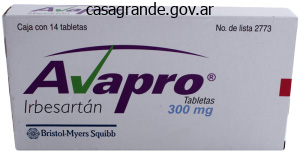
Irbesartan dosages: 300 mg, 150 mg
Irbesartan packs: 30 pills, 60 pills, 90 pills, 120 pills, 180 pills, 270 pills, 360 pills
Buy generic irbesartan 150mg on line
One-third are supratentorial in location, arising adjoining to the lateral ventricles. Ependymomas are usually lobulated, heterogeneous lesions, with variable enhancement. When situated in the fourth ventricle, this soft tumor may squeeze ("creep") via the outlet foramina. The attribute look of this benign entity is illustrated in an infant, with a large, sharply marginated, lobulated lesion famous within the lateral ventricles, with intense comparatively homogeneous contrast enhancement. There is accompanying dilatation of the ventricular system (longstanding, with out interstitial edema). A massive infratentorial extraaxial mass lesion, involving the fourth ventricle, foramen of Luschka, and cerebellopontine angle on the left, is seen on axial and coronal images. Obstructive hydrocephalus is present, with enlargement of the third and lateral ventricles, along with interstitial edema-the latter greatest seen immediately superior to the lateral ventricles and inferior to the temporal horns on the coronal image. Cystic parts of the lesion are current, mirrored partly by mixed signal intensity, with outstanding heterogeneous enhancement. Pituitary adenomas (both macro- and microadenomas) demonstrate a later peak of enhancement with slower washout. Thus, early postcontrast scans have substantial utility for lesion identification, with larger relative enhancement of the normal pituitary as in comparability with an adenoma. Most microadenomas nevertheless could be recognized on precontrast photographs alone, with slight hypointensity on T1-weighted scans and hyperintensity on T2weighted scans, relative to the conventional pituitary. Rathke cleft cysts are the most typical sort, with this benign (and sometimes asymptomatic) lesion found within the posterior portion of the anterior pituitary. Pituitary Macroadenoma the distinction between a micro- and macroadenoma is made on the premise of measurement, with the latter defined as a lesion 10 mm in diameter. Macroadenomas are usually nonsecretory, with clinical symptoms brought on by stress on adjoining structures, mostly hypopituitarism and visible loss. When very massive, these lesions can compress and splay the optic chiasm, producing bitemporal hemianopsia (loss of vision in the outer half of each visual fields, because of compression of the optic chiasm). Excision is by transsphenoidal surgical procedure, which in the past was performed via an incision under the upper lip, however which at present may be carried out by an endonasal strategy. The normal pituitary is often compressed against the partitions of the sella, and troublesome to establish. Careful inspection of coronal photographs, both pre- and post-contrast, is essential for detection of cavernous sinus invasion. Post-contrast scans can be notably priceless for the differentiation between enhancing tumor and blood within the cavernous sinus. With pituitary macroadenomas, suprasellar extension is normally preceded by sella expansion. The differential prognosis for a large mass lesion with enlargement of the sella includes intrasellar meningiomas and pituitary metastases, both of which are much less common. Pituitary apoplexy is acute bleeding into either the conventional pituitary or a pituitary tumor. Rapid enlargement of the gland, due to such a bleed, causes symptoms because of compression of adjacent structures. Treatment with bromocriptine may cause intratumoral hemorrhage in some cases, both with microadenomas and macroadenomas. Visualization of a fluid assortment with high sign depth 1 Brain differ with measurement of the lesion and patient age. The commonest signs are as a end result of compression, particularly of the optic chiasm (bitemporal hemianopsia) and of the pituitary (endocrine abnormalities, specifically progress hormone deficiency in a child). Seventy percent have both intrasellar and suprasellar components, whereas 20% are solely suprasellar. A craniopharyngioma is the most typical suprasellar tumor and in pediatrics the most common nonglial intracranial tumor.
Diseases
- Influenza
- Paramyotonia congenita
- Nemaline myopathy, type 2
- Immunodeficiency, secondary
- M?llerian derivatives, persistent
- Uniparental disomy of 6
- LyP (lymphomatoid papulosis)
Discount irbesartan line
Treatment of persistent neuropathic pain by motor cortex stimulation: outcomes of a bicentric controlled crossover trial. Efficacy of motor cortex stimulation in the remedy of neuropathic ache: a randomized double-blind trial. Cicerone: stereotactic neurophysiological recording and deep mind stimulation electrode placement software system. The P-wave morphology might change with alterations in autonomic tone, coronary heart rate, and atrial abnormalities corresponding to hypertrophy. Rate modifications with alterations in autonomic tone; at rest, most people have their coronary heart fee regulated by the vagus nerve. Individuals with excessive vagal tone (such as those that are in wonderful physical condition) could exhibit sinus arrhythmia, a normal rhythm during which the speed varies with respiration. In sinus arrhythmia, inspiration increases the rate and expiration decreases the speed. Sinus arrhythmia is widespread throughout sleep and in patients with obstructive sleep apnea, in which the decrease in rate could be substantial. Tachy-brady syndrome may current with speedy palpitations during atrial arrhythmias and lightheadedness, dizziness, close to syncope, and/or syncope during postconversion pauses. Approach to Management Evaluation or therapy usually is unnecessary if the patient is asymptomatic. Treatment is dependent upon the nature of the rhythm disturbance and is often directed towards prevention of signs. Asystolic pauses in a younger, in any other case healthy individual are usually due to vagal surges related to a neurocardiogenic response. Admitting a patient with signs suggestive of bradycardia and then inserting the affected person on a monitor are usually unproductive steps unless the affected person is having frequent and severe episodes. Thus, the first-line method is long-term monitoring, so long as this method is considered safe. This leadless implant can record and save episodes routinely or can be triggered manually. In sufferers with syncope in whom a neurocardiogenic reflex is suspected but not identified with certainty, the tilt desk test may be helpful in figuring out its presence. Acute treatment is needed if there are extreme signs or serious sequelae of bradycardia (Tables 1. Consider medicine as the trigger (-adrenergic blockers, calcium channel blockers, and digoxin, antiarrhythmic medication [sotalol, amiodarone, flecainide, and propafenone]). Patients with tachy-brady syndrome might require everlasting pacing to facilitate drug therapy of their atrial arrhythmias, as drug therapy for speedy atrial arrhythmias may worsen the bradyarrhythmias. Pacing could additionally be indicated for particular patients in whom the connection between the bradycardia and hemodynamic compromise may be demonstrated. Because it can take 5 to 6 weeks before full return of sinus node perform, frequently a call is made to implant a pacemaker by the fifth to seventh post-op day earlier than hospital discharge. Treatment is indicated provided that symptomatic and includes the avoidance of precipitating factors and possibly atrial pacing for persistent symptoms (Table 1. Myocardial infarction � If symptomatic bradycardia, for acute cases, use atropine; note, however, that atropine can often produce increased sinus node firing price, increased sinoatrial exit block, and paradoxical slowing of atrial and ventricular fee. Sinus pauses could be prolonged, during which case they are often referred to as sinus arrest. Clinical Symptoms and Presentation Symptoms may embody syncope, coronary heart failure, angina, weak spot, fatigue, dizziness, confusion, or shortness of breath. It is crucial to correlate signs with the arrhythmia, as symptoms could also be because of other causes. Approach to Management Patients should be evaluated for sleep apnea, carotid hypersensitivity, and vagal excess (consider tilt table take a look at if documentation is lacking). Any identified underlying causes that may be exacerbating sinus pauses should be treated. Atrial flutter with 2:1 atrioventricular conduction could additionally be misinterpreted as sinus tachycardia.
Buy irbesartan 300 mg low cost
During exhalation the decoupling valve opens, permitting the contemporary gasoline that was briefly saved in the bag to enter the respiratory circuit. Pollution of the operating room surroundings with anesthetic gases might pose a health hazard to surgical personnel. Reduction to these hint ranges is feasible solely with properly functioning waste-gas scavenging systems. In contrast, a closed interface is closed to the outside environment and requires negativeand positive-pressure reduction valves that defend the patient from the unfavorable pressure of the vacuum system and constructive pressure from an obstruction within the disposal tubing, respectively. A chamber or reservoir bag accepts waste-gas overflow when the capacity of the vacuum is exceeded. The vacuum control valve on an lively system should be adjusted to allow the evacuation of 10�15 L of waste gasoline per minute. Unless used correctly the chance of occupational exposure for health care providers is higher with an open interface. A mandatory check-off process increases the probability of detecting anesthesia machine faults. Some anesthesia machines provide an automatic system examine that requires a variable amount of human intervention. These system checks might embrace nitrous oxide delivery (hypoxic combination prevention), agent delivery, mechanical and guide air flow, pipeline pressures, scavenging, respiration circuit compliance, and gas leakage. These recommendations are legitimate just for an anesthesia system that conforms to current and related requirements and consists of an ascending bellows ventilator and at least the next monitors: capnograph, pulse oximeter, oxygen analyzer, respiratory quantity monitor (spirometer), and breathing-system pressure monitor with high- and low-pressure alarms. Users are encouraged to modify this guideline to accommodate variations in gear design and variations in native medical apply. Users ought to check with the suitable operator manuals for particular procedures and precautions. Verify backup air flow gear is on the market and functioning High-Pressure System *2. Check central pipeline supplies; examine that hoses are related and pipeline gauges read about 50 psig. Attempt to create a hypoxic O2/N2O mixture and applicable tidal volume and that during verify right adjustments in circulate and/or alarm. Adjust and verify scavenging system lungs fill and empty appropriately with out sustained a. Ventilate manually and guarantee inflation and deflation strain gauge reads about zero. Check, calibrate, and/or set alarm limits of all displays: capnograph, pulse oximeter, O2 analyzer, respiratory-volume monitor (spirometer), stress monitor with high and low airway-pressure alarms. Within a few minutes, the anesthesiologist notices that the bellows fails to rise to the highest of its clear plastic enclosure throughout expiration. Fresh gasoline flow into the breathing circuit is insufficient to keep the circuit volume required for positive-pressure ventilation. These possibilities may be ruled out by analyzing the oxygen Bourdon pressure gauge and the flowmeters. If the bellows collapse despite a high rate of contemporary gasoline influx, an entire circuit disconnection ought to be thought of. The site of the disconnection must be decided immediately and repaired to prevent hypoxia and hypercapnia. In the intubated affected person, leaks often happen within the trachea round an uncuffed tracheal tube or an inadequately stuffed cuff. There are numerous potential websites of disconnection or leak throughout the anesthesia machine and the respiration circuit, nonetheless. Every addition to the respiration circuit, corresponding to a humidifier, increases the chance of a leak. Leaks usually happen earlier than the recent gasoline outlet (ie, within the anesthesia machine) or after the fresh gas inlet (ie, inside the breathing circuit). Large leaks inside the anesthesia machine are less frequent and could be ruled out by a easy check.
Cheap irbesartan 300 mg mastercard
One is placed over the apex of the heart and the other within the upper proper scapular region or anterior chest, typically below the proper clavicle. If that is ineffective, an increase to 360 J could also be required or repositioning of the paddles or patches. Alternatively, repeating cardioversion after a particular antiarrhythmic drug is given could additionally be required. Most ablations use radiofrequency power and heating of the catheter tip; cryo or freezing ablation has been used for some rhythm disturbances. Radiofrequency ablation is mostly secure and efficient however requires invasive intracardiac testing. During radiofrequency ablation, alternating present between 370 and 50 kHz is used to achieve the tissue heating temperature of between 45�C and 100�C. The lesion diameter created by the catheter is 5 to 6 mm, and the depth is 2 to three mm. The ablation site is then focused and the patient examined by trying to reinduce the arrhythmia after the ablation procedure to determine whether or not there was full remedy of the arrhythmia. Ablation has replaced antiarrhythmic drug remedy for treatment of many arrhythmias as a outcome of it might be curative. Each arrhythmia has its personal success rate and ascribed complication price; that is, partially, associated to the experience and experience of the operator. Complications of radiofrequency ablation are uncommon however embrace death in approximately zero. Chapter thirteen Management of Arrhythmias in Pregnancy During being pregnant, preexisting arrhythmias could or might not enhance. Hemodynamic changes, significantly in the course of the third trimester, could predispose to some arrhythmias. Palpitations due to larger plasma volumes or ectopy are frequent and benign; noninvasive ambulatory monitoring may be thought-about if signs counsel sustained or symptomatic tachyarrhythmias. Management consists of nonpharmacologic measures, similar to maintaining good hydration, help stockings, avoidance of supine positioning, and probably larger salt intake. Dosing could additionally be difficult by the upper volume status, increase in renal and hepatic blood circulate, lower plasma protein focus, and hormonal adjustments that may have an result on drug ranges and efficacy. Positive proof of danger: Positive proof of human fetal danger based on antagonistic reaction information from investigational or advertising expertise or research in humans, but potential benefits might outweigh potential risks. These medication to be avoided include phenytoin (fetal hydantoin syndrome and bleeding risk), amiodarone (fetal thyroid abnormality), dronedarone (teratogenicity), warfarin (see below), and atenolol (evidence of fetal risk). Anticoagulant medication have potential dangers for bleeding in the mom, however as a outcome of some may be probably much less efficient because of lower drug concentrations with greater plasma volume, if continued anticoagulation is required, it might be preferable to use a drug for which anticoagulant results can be monitored. Warfarin crosses the placenta and is contraindicated in the first trimester because of the risks of teratogenic congenital defect, spontaneous abortion, fetal hemorrhage, and death. It is contraindicated throughout pregnancy except in sufferers with high-risk mechanical heart valves. Oxytocic impact: might cause contractions; antagonistic effects at high doses in animals. Congenital abnormalities, fetal hydantoin syndrome, malignancies, hemorrhage in the new child. With availability of different brokers, keep away from renally excreted -blockers, corresponding to atenolol. Animal research counsel threat at greater doses with potential teratogenicity and toxicity. Contraindicated, particularly in first trimester, no knowledge later in pregnancy; fetal abnormalities in animals. Contraindicated in pregnancy besides with mechanical heart valves at excessive threat for thromboembolism. Anticoagulant effects will not be easily monitored or readily reversed, particularly within the fetus. Defibrillation for ventricular fibrillation or pulseless ventricular tachycardia is important for survival within the pregnant and nonpregnant affected person and ought to be performed promptly when indicated.
Phoradendron macrophyllum (American Mistletoe). Irbesartan.
- How does American Mistletoe work?
- Are there safety concerns?
- Increasing muscle contractions, causing abortion, or any other uses.
- What is American Mistletoe?
- Dosing considerations for American Mistletoe.
Source: http://www.rxlist.com/script/main/art.asp?articlekey=96319
150 mg irbesartan for sale
Atrophy in different cortical and subcortical buildings has also been reported, including striatum, substantia innominata, hypothalamus, and dorsal midbrain. Supportive options embody repeated falls and syncope, transient or unexplained loss of consciousness, severe autonomic dysfunction, systematized delusions, hallucinations in other modalities. A historical past of stroke, focal neurological signs, and the presence of great comorbid bodily illness and different mind disorders scale back the understanding of prognosis. Supportive options (commonly present but missing diagnostic value) Repeated falls and syncope Transient, unexplained loss of consciousness Severe autonomic dysfunction. Adoption of different time durations will simply confound data pooling or comparison between research. Management Both nonpharmacological and pharmacological interventions can be used in management. Recognition and amelioration of sensory impairments similar to impaired vision or listening to, environmental optimization corresponding to enhancing lighting, could cut back hallucinations, delusions, and falls. Education of caregivers is essential: behavioural symptoms could additionally be relieved or lowered by an appropriate approach to sufferers, and can cut back use of antipsychotics. Consideration should be given to discontinuation of drugs with anticholinergic effects such as tricyclic antidepressants, anticholinergics or antispasmodics as they could impair cognition, exacerbate psychotic signs, and cause orthostatic hypotension. Response to levodopa can be restricted, partly due to main unresponsiveness and partly as a result of the predominance of symptoms (such as postural instability) identified to be unresponsive to levodopa. Orthostatic hypotension can be treated with hydration, elevated salt intake, avoiding prolonged bed relaxation, thigh-high compression stockings, efforts to stand up slowly, and minimizing or discontinuing treatment that contributes to orthostasis. Constipation may benefit from exercise, elevated dietary fibre, elevated water intake, and laxatives. Classical neuroleptics corresponding to haloperidol are contraindicated, risperidone and olanzapine also can worsen parkinsonism, and so when required quetiapine and clozapine are the neuroleptics which could be thought of. Initial doses must be low and the dose must be titrated slowly while monitoring for opposed effects. Neuroleptics can cause orthostatic hypotension and blood strain must be monitored. Worsening of parkinsonism was not reported, aside from emergent tremor in four rivastigmine-treated sufferers. Patients taking donepezil were less apathetic, much less anxious, had less cognitive fluctuation, and fewer delusions and hallucinations compared to placebo patients. Adverse events within the two remedy teams were comparable aside from barely more sedation in the memantine group. No statistically important variations have been observed for particular person cognitive checks, activities of every day dwelling, or caregiver burden scores. The information on advantages of memantine are much less clear, maybe being thought-about in patients with outstanding behavioural signs. In nearly all of sufferers, nevertheless, overt cognitive impairment becomes manifest in the late stages of the disease, especially in old age. In a community-based research, 36 per cent of newly diagnosed sufferers were discovered to have cognitive impairment at the time of prognosis, while fifty seven per cent of this cohort developed cognitive deficits within 3. Old age at illness onset or at the time of evaluation are vital risk elements. The most common deficits are in government functions, visuospatial features, memory, and attention. In typical cases, the reminiscence impairment is characterised by a deficit in free recall with relatively preserved recognition. Deficits in visuospatial features could also be extra evident in more complex tasks, which require planning, sequencing of response, or generation of strategies, suggesting that these deficits may be, at least partly, as a outcome of problems in sequential organization of behaviour. Where present, deficits often consist of word finding difficulties, pauses in spontaneous speech, or relate to difficulties understanding complex sentences. Poor verbal fluency, poor performance on verbal reminiscence tests, and refined impairment in executive functions at baseline have been significantly associated with incident dementia. There is, however, a more strong relationship with cognitive decline and -synuclein duplication, and much more so with the triplication of the -synuclein gene. This statement could in part relate to the relatively younger age of these sufferers, particularly in the case of recessive mutations.
Generic irbesartan 150 mg without prescription
The severity of anemia may be underestimated because the hematocrit increases 2% for each 1�C drop in temperature. White blood cell sequestration and bone marrow suppression are widespread, potentially masking an an infection. Although hypokalemia is extra widespread in persistent hypothermia, hyperkalemia also occurs; the expected electrocardiographic modifications can be obscured by hypothermia. Patients with renal insufficiency, metabolic acidoses, or rhabdomyolysis are at biggest threat for electrolyte disturbances. Coagulopathies are common as a result of chilly inhibits the enzymatic reactions required for activation of the intrinsic cascade. In addition, thromboxane B2 production by platelets is temperature dependent, and platelet operate is impaired. The administration of platelets and fresh-frozen plasma is subsequently not effective. The prothrombin or partial thromboplastin instances or the worldwide normalized ratio may be deceptively regular and contrast with the noticed in vivo coagulopathy. This contradiction occurs as a outcome of all coagulation checks are routinely carried out at 37�C (99�F), and the enzymes are thus rewarmed. Passive external rewarming simply involves covering and insulating the affected person in a warm environment. This approach is ideal for beforehand wholesome patients who develop acute, mild major accidental hypothermia. The software of heat on to the extremities of sufferers with chronic extreme hypothermia ought to be averted because it could possibly induce peripheral vasodilation and precipitate core temperature "afterdrop," a response characterized by a continual decline within the core temperature after elimination of the affected person from the cold. Other choices embrace devices that circulate water by way of exterior heat change pads, radiant heat sources, and sizzling packs. Electric blankets must be averted because vasoconstricted pores and skin is well burned. Airway rewarming with heated humidified oxygen (40��45�C [104��113�F]) through mask or endotracheal tube is a handy possibility. Although airway rewarming supplies much less warmth than do some other forms of active core rewarming, it eliminates respiratory heat loss and provides 1��2�C (1. Crystalloids ought to be heated to 40��42�C (104��108�F), but the quantity of heat supplied is important only during huge volume resuscitation. The most efficient technique for heating and delivering fluid or blood is with a countercurrent in-line warmth exchanger. Heated irrigation of the gastrointestinal tract or bladder transfers minimal warmth because of the limited available floor space. These methods must be reserved for patients in cardiac arrest and then utilized in combination with all available active rewarming methods. Closed thoracic lavage is far extra environment friendly in severely hypothermic sufferers with cardiac arrest. The hemithoraxes are irrigated by way of two inserted large-bore thoracostomy tubes. Peritoneal lavage with the dialysate at 40��45�C (104��113�F) efficiently transfers warmth when delivered by way of two catheters with outflow suction. Like peritoneal dialysis, commonplace hemodialysis is especially helpful for patients with electrolyte abnormalities, rhabdomyolysis, or toxin ingestion. Another choice includes the central venous insertion of a speedy endovascular warming device. Extracorporeal blood rewarming choices (Table 478e-3) should be thought of in severely hypothermic patients, particularly those with main accidental hypothermia. Cardiopulmonary bypass ought to be considered in nonperfusing patients with out documented contraindications to resuscitation. Circulatory assist will be the solely effective option in patients with fully frozen extremities or these with significant tissue destruction coupled with rhabdomyolysis. The greatest technique is normally a combination of passive, truncal energetic, and energetic core rewarming techniques. In distinction to antiarrhythmics, low-dose vasopressor drugs may enhance the intra-arrest rates of return of spontaneous circulation.
Buy online irbesartan
Other groups use the original anchoring level of Weiner and Reed [2] in the retromastoid area and advance the lead in lateral-tomedial direction. Independently of the lead course, the steps of implantation procedure stay the identical [44]: � the affected person is positioned lateral or susceptible and the painful area is clearly marked. Each anchor is held in place by suturing it to the underlying fascia with nonabsorbable sutures. Use of long-term nerve stimulation with implanted electrodes in the therapy of intractable craniofacial pain. Occipital nerve stimulator placement through a retromastoid to infraclavicular approach: a technical report. Occipital nerve stimulation for drug-resistant persistent cluster headache: a potential pilot study. Fontaine D, Christophe Sol J, Raoul S, Fabre N, Geraud G, Magne C, Sakarovitch C, Lanteri-Minet M. Treatment of refractory chronic cluster headache by continual occipital nerve stimulation. Treatment of hemicrania continua by occipital nerve stimulation with a Bion system: long-term follow-up of a crossover examine. Occipital nerve stimulation with the Bion microstimulator for the treatment of medically refractory continual cluster headache. A single 8-contact narrow paddle (the so-called percpaddle) lead was inserted within the epifascial plane traversing the course of each the higher occipital nerves (for bilateral coverage) and the greater and lesser occipital nerves on the identical aspect (for unilateral coverage) following a stimulation trial with momentary percutaneous peripheral neurostimulation (without implantation of trial leads). With median follow-up of 12 months (range � 6�18 months), pain reduction was between eighty and 100 %, and none of the sufferers developed any complications or required reoperation [45]. Occipital nerve stimulator methods: evaluate of complications and surgical strategies. Occipital neurostimulation-induced muscle spasms: implications for lead placement. Occipital neuromodulation: ultrasound steerage for peripheral nerve stimulator implantation. Occipital nerve stimulation for the treatment of occipital neuralgia � eight case research. Occipital nerve stimulator lead pathway length modifications with volunteer motion: an in vitro study. Peripheral nerve stimulation for the remedy of occipital neuralgia and transformed migraine utilizing a c1-2-3 subcutaneous paddle fashion electrode: a technical report. Sustained effectiveness of occipital nerve stimulation in drug-resistant persistent cluster headache. Spinal twine stimulation for chronic ache: causes of long-term paddle-lead failure. Novel use of narrow paddle electrodes for occipital nerve stimulation- technical note. Most implanters think about percutaneous leads as their first choice as the implanting technique is less invasive and less complicated than the surgical leads one. It is a multicenter potential randomized single-blind managed feasibility research. Responders were subjects who had >50 % drop in headache days/month or >3-point drop in overall ache depth from baseline. One hundred and ten (N = 110) patients have been enrolled from 9 centers, 75 had been assigned to a therapy group. Lead migration occurred in 24 % of subjects and infections developed in 14 % of subjects [16]. Mechanism of Action the most accepted mechanism of motion is that stimulation of the distal branches of C2 and C3, being the peripheral anatomical and functional extension of the trigeminocervical complex, might inhibit central nociceptive impulses [14]. Narouze either a stimulation trial followed by gadget implantation and lively stimulation for 12 weeks (n = 105) or a stimulation trial followed by system implantation but with sham stimulation for 12 weeks (n = 52). Responders were defined as patients who achieved 50 % reduction in imply day by day visual analog scale scores in every group at 12 weeks. There was not a statistically important difference in responder proportion between the lively and the control group (p = zero.
Purchase 300mg irbesartan amex
Paralysis of the facial nerve is believed to occur from latent herpes simplex infection of the geniculate ganglion, and is usually unilateral. This expansile lesion causes adjacent cortical thinning, and has distinctive excessive signal depth on each T1- and T2-weighted photographs, the previous due to the presence of hemorrhage and cholesterol. A cholesteatoma of the petrous apex (congenital or acquired) is less frequent but shares the characteristics of an expansile mass, with thinning and transforming of adjoining bone. Thin part axial images are illustrated at two ranges, from a screening brain examination performed in a 52-year-old man with persistent headaches (left occipital in location). The upper image reveals fluid inside each the mastoid air cells and the center ear (*). The presence of the latter mandates a better take a look at the exam for a attainable cause. Evaluation of the lower image reveals irregular soft tissue (arrow) obliterating the opening of the eustachian tube (with mass effect upon the fossa of Rosenm�ller), thus causing the effusions within the left middle ear and mastoid air cells. Complications related to mastoiditis embody sigmoid sinus thrombosis (with or with out venous infarction). There is opacification and irregular enhancement of the petrous and mastoid air cells on the left. Note the intermediate signal intensity on the T2-weighted scan within the left mastoid air cells, according to infection (also reflected by the abnormal contrast enhancement). This should be distinguished from fluid sign depth, seen commonly and not representing infection. There has been spread of an infection to the adjacent meninges, with abnormal enhancement seen on the postcontrast scans throughout the left inside auditory canal and posterior to the clivus. There is also involvement of the left cavernous sinus and the Meckel cave, with abnormal enhancing delicate tissue. This 9-year-old affected person offered with Gradenigo syndrome, particularly the triad of symptoms that embrace periorbital pain (due to trigeminal nerve involvement), diplopia (due to involvement of the abducens nerves), and otorrhea. A met-hemoglobin clot (with high sign intensity on the precontrast T1-weighted picture, white arrow) is seen occluding the best transverse sinus, a known severe complication of acute otomastoiditis. There has been intracranial spread of an infection, resulting in an area of edema/cerebritis within the adjacent temporal lobe (arrow). An intensive resection of mastoid air cells has been performed within the distant previous on the best, with the internal ear cavity preserved. Incidental lesions of the petrous apex that sometimes cause confusion embrace asymmetrical pneumatization and trapped fluid. The latter is common, and could be acknowledged by the presence of fluid with low T1 and excessive T2 signal intensity, with out trabecular loss or any expansile nature. Apical petrositis has a definite look, according to an infection, with distinguished enhancement, including the adjoining meninges. Sagittal postcontrast photographs from two different patients are presented, both demonstrating distinguished enhancement of mastoid air cells according to infection. The subsequent two pictures depict enhancement within the area of the geniculate ganglion (black arrow) and in the distal inner auditory canal (white arrow), in this patient with acute facial nerve paralysis. The time period "otosclerosis" is actually a misnomer because the condition is actually "otospongiosis. Clinically, these patients present with conductive hearing loss and bilateral disease in 80%. The majority of cases are fenestral in location, and can contain simply the oval window or both the oval and spherical home windows. Retrofenestral (cochlear) otospongiosis, which is much less common, could be patchy or diffuse, and might happen with or without fenestral involvement. Abnormal enhancement is seen involving the intracanalicular and mastoid segments of the facial nerve on the left (white arrows). Enhancement of the complete course of the facial nerve was famous, including also the labyrinthine and tympanic segments (not shown). The lack of bone growth differentiates this entity from different a lot less widespread lesions corresponding to an epidermoid cyst or mucocele. Treatment for the associated listening to loss consists of listening to aids, early within the disease course, and, later, stapedectomy. Cochlear implants are widespread today, with surgery carried out for each congenital and acquired deafness, however require the presence of a functioning cochlear nerve. The electrode array is positioned into the scala tympani (one of the 2 perilymph-filled cavities of the cochlear labyrinth) within the basal turn of the cochlea.
Cheap irbesartan 150 mg mastercard
Treatment is surgical with launch of the tether, for prevention of symptom progression. Syringohydromyelia Hydromyelia is strictly outlined as dilatation of the central canal of the spinal twine, lined by ependyma. Syringomyelia is outlined strictly as the presence of a fluid-filled cavity inside the spinal wire, lined by gliotic parenchyma, particularly not representing dilatation of the central canal. Unfortunately, these phrases are commonly confused, and used interchangeably, by physicians. Thus the term syringohydromyelia has emerged, being less specific and together with each hydromyelia and syringomyelia. Syringobulbia refers to the extension of a fluid assortment into the brainstem, usually accompanied by cranial nerve findings (due to compression). The sagittal plane is often used to outline the extent of syringohydromyelia, with the axial airplane providing localization relative to the cross-section of the twine. Axial photographs also better identify very small cavities, and may determine with greater certainty the true extension of hydromyelia (with minimal dilatation of the central canal troublesome to assess on sagittal photographs as a outcome of partial quantity effects). Intravenous contrast administration is strongly really helpful in patients with syringomyelia, bettering the sensitivity for detection of neoplastic disease. In the affected person inhabitants at giant, hydromyelia is much more generally encountered, congenital in etiology, than syringomyelia because of either neoplasia or trauma. Both syringomyelia and hydromyelia could be treated by direct shunting of the cavity, amongst other options. An enlarging syrinx in a posttraumatic affected person, for instance following cervical twine injury, may cause neurologic deterioration until so treated. A meningocele, by definition, contains solely dura and arachnoid, with neurologic deficits unusual. A meningomyelocele, by definition, accommodates neural tissue inside the expanded posterior subarachnoid space, with twine tethering. Imaging studies are hardly ever acquired at presentation within the new child, with the uncovered neural placode readily evident (in a meningomyelocele) and surgery typically performed inside 48 hours. Coronal and axial photographs nicely depict a not unusual vertebral body anomaly, a "butterfly" vertebral body. Two curves are present, the primary convex to the left within the cervical spine, and the second convex to the proper within the thoracic backbone. However, this is completely different from the extra frequent idiopathic S-shaped scoliotic curvature, which is thoracolumbar in location, with the thoracic component convex to the proper. There are nonsegmentation anomalies involving the skull base and upper cervical backbone, along with an anomalous upper thoracic vertebral body (representing nonsegmentation of a normal vertebra and a hemivertebra) on the apex of the lower curvature. This 12-yearold youngster had surgical procedure at 2 years of age, with release of a tethered spinal wire and excision of a lipomeningocele. A Chiari I is outlined by herniation (small black arrow) of the wedge-shaped cerebellar tonsils 5 mm under the foramen magnum (first affected person, left image). Note in this instance the tonsils prolong properly below the level of C1 (white arrows). In symptomatic Chiari I sufferers there could additionally be accompanying dilatation of the central spinal canal (hydromyelia), additionally current on this affected person. The tonsillar herniation is extra peglike than wedged, usually extending a a lot higher distance than seen with a Chiari I malformation. There is marked dilatation of the central canal of the spinal wire, with a characteristic haustral-like appearance and the twine substance itself compressed peripherally. Complete analysis of the cord from the foramen magnum to the conus is necessary in such instances, to set up the caudal extent of the central canal dilation, which may extend to the conus. Lipomyelomeningoceles (and lipomyeloceles) differ from the two entities simply described by the presence of a lipoma connected to the dorsal surface of the wire termination and intact skin overlying the defect (closed spinal dysraphism). The lipoma extends by way of the dysraphic spinal canal merging with and turning into indistinguishable from, subcutaneous fats. When a mass is present posteriorly, it presents clinically underneath the age of 6 months. If the mass is delicate, presentation may not be till 5 to 10 years of age when neurologic or urologic deficits are noticed. Occasionally this entity goes undetected until maturity, since the lesion is skin-covered.
References
- Brohult J, Forsberg O, Hellstrom R. Multiple arterial thrombosis after oral contraceptives and ergotamine. Acta Med Scand 1967; 181:453.
- Jagar KA, Fortner GS, et al. Noninvasive diagnosis of intestinal angina. J Clin Ultrasound 1984; 12:588.
- Palmer LS, Valcic M, Melman A, et al: Characterization of cyclic AMP accumulation in cultured human corpus cavernosum smooth muscle cells, J Urol 152:1308n1314, 1994.
- Goldlust EJ, Paczynski RP, He YY, et al. Automated measurement of infarct size with scanned images of triphenyltetrazolium chloride-stained rat brains. Stroke 1996;27(9):1657-62.