


Quinn Capers, IV, MD, FACC, FSCAI,
- Associate Dean for Admissions
- The Ohio State University College of Medicine
- Director, Peripheral Vascular Interventions
- Assistant Professor of Internal Medicine
- The Ohio State University Medical Center
Quetiapine dosages: 300 mg, 200 mg, 100 mg, 50 mg
Quetiapine packs: 30 pills, 60 pills, 90 pills, 120 pills, 180 pills, 270 pills, 360 pills
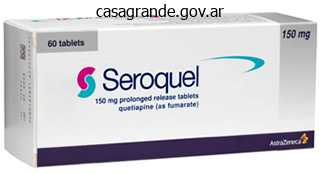
Buy quetiapine 50 mg without a prescription
Hepatotoxicity after immune checkpoint inhibitor therapy in melanoma: natural progression and administration. Pathologic changes in ipilimumab-related hepatitis in patients with metastatic melanoma. Ipilimumab-associated hepatitis: clinicopathologic characterization in a series of 11 instances. Characterization of liver harm induced by cancer immunotherapy utilizing immune checkpoint inhibitors. Secondary sclerosing cholangitis in critically unwell sufferers: present perspectives. Hepatic granulomas: histological and molecular pathological strategy to differential prognosis - a examine of 442 circumstances. Severe nucleoside-associated lactic acidosis in human immunodeficiency virus�infected patients: report of 12 circumstances and review of the literature. Induction of vesicular steatosis by amiodarone and tetracycline is related to up-regulation of lipogenic genes in heparg cells. Drug-induced steatohepatitis leading to cirrhosis: Long-term toxicity of amiodarone use. Methylene tetrahydrofolate reductase gene polymorphisms and their association 36 Journal of Hepatology 2019 vol. Clinical Practice Guidelines: non-invasive exams for evaluation of liver illness severity and prognosis. Assessment of liver fibrosis by transient elastography in rheumatoid arthritis sufferers handled with methotrexate. Significance of nodular regenerative hyperplasia occurring de novo following liver transplantation. Mallet V, Blanchard P, Verkarre V, Vallet-Pichard A, Fontaine H, Lascoux-Combe C, et al. Nodular regenerative hyperplasia: evolving ideas on underdiagnosed reason for portal hypertension. Sinusoidal obstruction syndrome and nodular regenerative hyperplasia are frequent oxaliplatin-associated liver lesions and partially prevented by bevacizumab in sufferers with hepatic colorectal metastasis. Hepatocellular adenoma with malignant transformation in a patient with neonatal portal vein thrombosis. Liver investigation in 149 asymptomatic sufferers with reasonably elevated activities of serum aminotransferases. The medical significance of slightly to moderately increased liver transaminase values in asymptomatic sufferers. Drug-induced liver injury related to Stevens-Johnson syndrome/toxic epidermal necrolysis: affected person characteristics, causes, and end result in 36 circumstances. Case characterisation, clinical features and danger components in drug-induced liver harm. Alanine aminotransferase: a medical and regulatory software for detecting liver injury�past, current, and future. The worth of serum aspartate aminotransferase and gamma-glutamyl transpetidase as biomarkers in hepatotoxicity. Acute hepatitis e infection accounts for some circumstances of suspected drug-induced liver damage. Prevalence of hepatitis E markers in Spanish patients with suspected drug-induced liver harm [abstract]. Hepatotoxicity associated with statin use: evaluation of the circumstances included in the Spanish Hepatotoxicity Registry. The incidence and outcomes of ischemic hepatitis: a scientific evaluation with meta-analysis. A potential research of the causes of notably raised aspartate aminotransferase of liver origin. Cholestasis and biliary dilatation related to continual ketamine abuse: a case series. Serum levels of immunoglobulins (IgG, IgA, IgM) in a general adult population and their relationship with alcohol consumption, smoking and common metabolic abnormalities. The use of liver biopsy analysis in discrimination of idiopathic autoimmune hepatitis vs. Comparative evaluation of portal hepatic infiltrating leucocytes in acute drug-induced liver damage, idiopathic autoimmune and viral hepatitis.
Diseases
- Hypodontia of incisors and premolars
- Arroyo Garcia Cimadevilla syndrome
- Mediterranean fever[disambiguation needed]
- Opioid-induced hyperalgesia
- Inborn metabolic disorder
- Scleroatonic myopathy
- Rieger syndrome
- Tricho odonto onychodysplasia syndactyly dominant type
- Lassueur Graham Little syndrome
Order quetiapine amex
The walls of the veins of the higher physique, for instance, consist largely of connective tissue and solely a very skinny layer of muscle cells. In contrast, the musculature within the venous walls of the decrease physique is rather more developed. Veins with few muscular tissues occur in parts of the body where the flow regulation through lumen modifications is pointless. On the other hand, there are veins with robust muscular walls in organs with sturdy fluctuations in blood move, such as the corpora cavernosa and the nasal mucous membranes. This electron micrograph exhibits the nucleated sections of two flat, sprawling endothelial cells 1. The layer immediately underneath contains the delicate fibrils of the lamina propria intimae 2. These are followed by cross-sections of slender myocytes 4 and collagen fibrils in a number of alternating layers 5 and 6. As always, the myocytes show their typical filament structure, even at this magnification (cf. Sporadically, very small sections of such elastic fibers 8 happen in other fibril-rich layers as properly. A three-dimensional reconstruction reveals that the collagen fibrils are arranged in steep spirals. Blood Vessels, Blood and Immune System 290 Anterior Tibial Vein Vertical section through the anterior tibial vein (section of the wall near the lumen). The higher portion of this electron micrograph depicts a flat sprawling endothelial cell with its nucleus 1 and underneath the nice fibrils of the lamina propria intimae 2. The following layer contains the elastic fibers of the inner elastic membrane 3, that are also found in arteries. The layer following the internal elastic membrane incorporates collagen fibers which have been minimize in all planes four. Note that there are additionally many collagen fibrils between the graceful muscle cells (cf. Electron microscopy; magnification: � 6200 291 Venous Valves Blood Vessels, Blood and Immune System One-way valves are current in most veins. They are folds of the tunica intima, which protrude into the venous lumen like sails (leaflet valve, velum). Valve leaflets are lined on each faces by a layer of endothelium with an underlying network of intersecting collagen fibers. The house between the venous wall and the outer edge of the velum (leaflet) known as valve sinus 2. During normal blood circulate through the vein, the leaflets lay against the venous wall, and the valve is open. This determine reveals a bit across the wall of an arteriole from the tunica adventitia of a human urethra. Along with the capillaries and venules, they kind the terminal circulatory system (microcirculation). The tunica intima of the arterioles consists of endothelium 1 with an underlying layer of connective tissue 2. An inner elastic membrane is often not current, except often in a fragmented kind. In this micrograph, the myocytes of the tunica media 3 are mostly cut tangentially or across their axis. All capillaries are lined with endothelial cells, which could be evaluated by wanting on the tissue surface. Therefore, they only show the elongated, spindle-shaped endothelial cell nuclei 1. Cells with branched interconnected processes (pericytes) 2 populate the outer capillary tube.
Cheap 50 mg quetiapine visa
Lymph vessels near the lymph nodes (vasa afferentia) pierce this capsule and enter the outer cortical sinus (sinus marginalis) 2, which is clearly accentuated as a lighter crevice between capsule and cortex with only a few lymphocytes. The marginal sinus is related to the radial construction of the trabecular sinus, which ultimately leads to the central medullary sinus three with its wider lumen. Blood Vessels, Blood and Immune System 321 323 Lymph Nodes Outer area of a lymph node from the human axilla, with a relatively robust connective tissue capsule 1, marginal sinus 2 and cortex 3 (cf. Reticulum cells (sinus reticulum) and reticulum fibers are clearly visible within the marginal sinus. Note the subcapsular cells, named mantle cells, that are much like endothelial cells. Intermediary sinuses, which push by way of the compact cortical tissue, join the marginal sinuses with the wide medullary sinuses. The marginal sinus (sinus marginalis) wraps around the lymph node immediately underneath the capsule 1 like a shell (cf. Numerous afferent lymph vessels (vasa afferentia) discharge into this marginal sinus. Delicate collagen and reticulum fibers (here stained mild blue) lend mechanic help to the cells. A follicle with many lymphocytes (a lymphatic nodule) 3 is proven in the decrease half of the figure. Cortical nodes solely encompass densely packed small and medium-sized lymphocytes. Apart from small lymphocytes, it incorporates in its center large cells with basophilic cytoplasm (centrocytes and centroblasts). Blood Vessels, Blood and Immune System 324 326 Lymph Nodes Section of a medullary sinus from a feline lymph node. Reticulum cells traverse the medullary sinus as nicely as the other lymph node sinuses. Lymphocytes, usually macrophages, sometimes monocytes and plasma cells occur within the meshwork. Stain: azan; magnification: � four hundred 327 Lymph Vessels-Collector Lymph Vessels Blood Vessels, Blood and Immune System Lymph vessel 1 remind of thin-walled veins. With rising measurement, the vessel wall additionally incorporates smooth muscle cells (transport vessels). Lymph vessels are equipped with overlapping flap valves and intralymphatic funnel valves (lymphatic valve) 2. In the path of the lymph circulate, there are the next segments: extravascular lymph vessels, lymph capillaries, which often kind networks (rete lymphocapillare), precollector lymph vessels (diameter ca. It is enveloped by a collagen fiber capsule 1, which has a overlaying of peritoneal epithelium (top of the figure). Irregularly organized connective tissue cords traverse the organ, beginning at the outer capsule. They are named splenic trabeculae 2 (almost unstained in this preparation) and comprise the trabecular blood vessels. Richly vascularized reticular connective tissue occupies the house between splenic capsule and trabeculae. The abundance of blood explains the name purple spleen pulp 3 for the flexible reticular net. The pulp contains splenic follicles four (stained darker blue), which in their entirety symbolize the white pulp. This white pulp varieties a reticular tissue with many lymphocytes, which surrounds the vessels like a sheath. Blood Vessels, Blood and Immune System 327 329 Spleen this section reveals a part of a feline spleen with a splenic follicle (spleen follicle; periarterial lymphocyte sheath), which incorporates the follicular or central artery 1. The central artery splits into 25�50 arterioles, generally nonetheless inside the follicle, however principally on the exit point. The lighter stained and loosely structured areas are part of the red splenic pulp 4. The feline spleen was perfused with physiological saline solution earlier than specimen preparation. This figure exhibits white pulp as a part of a round lymph follicle (folliculus lymphaticus splenicus). The branches of the trabecular artery run via the follicle and are actually called follicular artery 3 or central artery.
Buy quetiapine on line
The membranes enclose long slim cisternae, that are slightly wider at each ends. The dictyosome may be in comparison with a stack of flat membrane sacs with osmiophilic content material (export proteins). Golgi cisternae are all the time accompanied by Golgi vesicles 1, which deliver and export materials (transport vesicles). The Golgi equipment has due to this fact two faces, a convex (cis-), or forming face 2 and a concave trans-face, or secretory face three. At the concave side (trans-face) of the cisternae, there are very small vesicles (transport vesicles); amongst them are coated vesicles, but additionally somewhat larger vacuoles. The kind of sharply curved membrane stacks of the Golgi complicated function a convex cis-face (uptake side) and a concave trans-face (export side). In cells with a polar structure, dictyosomes are often localized in the supranuclear area. It is a flat, 1�2 m extensive membrane sac, which is often dilated and fenestrated at the outer edges. The ultrastructure of the Golgi equipment (Golgi complex) is distinct in its element. The electron-microscopic examination of skinny sections of cells reveals the Golgi equipment as a characteristically structured system of clean double membranes (sacculi), which are either arranged in parallel stacks, or are layered around vacuoles. At these ends are small vesicles (transport vesicles) and vacuoles, which have been pinched off from the distended cisternae (sacculi). However, this coat is totally different from the well-known coat of "coated vesicles," which is made of clathrin. It consists of a number of distended membrane cisternae 1 and reveals on its concave facet (trans-face) 2 numerous Golgi vesicles of various sizes three and huge, typically confluent secretory vacuoles 4. Section from a cell from the tissue of the Harder gland from Passer domesticus (sparrow). Cells 38 Mitochondria Before the flip of the 19th century, Altmann discovered and described mitochondria, the power plant organelle of cells, as granular, rod-like stringy cell elements. Benda launched the term mitochondria for these "threaded our bodies" (mitos, Greek: thread; chondros, Greek: granulum). The mitochondria stand out as long, black-brown rods, which line up within the basal cytoplasm to virtually parallel rows. An outer membrane (outer mitochondrial membrane) separates the mitochondrion from the cytoplasm. It forms septum-like folds (cristae mitochondriales), which lengthen to various lengths across the organelle (crista-type mitochondria). Between the outer and internal membrane, separated by about 8 nm, lies the outer compartment (outer metabolic compartment, intermembrane space), which extends into the crevices of the cristae. The internal membrane and its cristae types the border across the inside compartment (inner metabolic space). The inner mitochondrial matrix usually accommodates granules, the granula mitochondrialia or matrix granules, which have a dimension of 30�50 nm and are rich in Ca2+ and other ions. The figure exhibits mitochondria (crista-type) in a cell from the mucosal abdomen lining, which have been minimize in numerous planes. Note the granula mitochondrialia, with diameters between 30�50 nm in the matrix (matrix granules). Electron microscopy; magnification: � 28 800 30 Kuehnel, Color Atlas of Cytology, Histology, and Microscopic Anatomy � 2003 Thieme All rights reserved. Cells 41 Mitochondria Predominantly oval, crista-type mitochondria from an epithelial cell of a proximal kidney tubule. The folds that originate at the internal membranes and prolong into the internal facilities of the mitochondria-the cristae mitochondriales-are totally different in length and form a series of incomplete transverse septa. Electron microscopy; magnification: � 26 000 Cells 42 Mitochondria Oval-shaped, usually arcuate, crista-type mitochondria with an electrondense (osmiophilic) matrix (cf.
Red cedar (Eastern Red Cedar). Quetiapine.
- Cough, bronchitis, rheumatism, venereal warts, and skin rash.
- Are there safety concerns?
- How does Eastern Red Cedar work?
- What is Eastern Red Cedar?
- Are there any interactions with medications?
- Dosing considerations for Eastern Red Cedar.
Source: http://www.rxlist.com/script/main/art.asp?articlekey=97062
Purchase quetiapine 200 mg without a prescription
The diminished blood flow can result in extreme hypoxic damage, particularly in the brain and kidneys. Intravascular hemolysis, hemoglobulinuria, and renal failure because of tubular necrosis seen in sufferers with falciparum malaria uncovered to quinine. What persistent infection appears as linear calcifications seen within the wall of the urinary bladder on a roentgenogram The symptoms of stomach pain, diarrhea, vomiting, shock, fever, cough, and decreased psychological standing because of dissemination of the filariform larval stage. Bacteremia happens regularly, often with enteric organisms that are thought to accompany the larvae as they migrate via the bowel wall. Visceral leishmaniasis, brought on by various species of Leishmania (Leishmania donovani, Leishmania infantum, and Leishmania chagasi). The Leishmania are transmitted by the bite of a sandfly, which transfers promastigotes of the organism to the host. Which nematodes (roundworms) are in a position to infect the host by penetration of the skin The eggs hatch and mature within the host and the adult feminine worm migrates to the rectal space to lay eggs. A manifestation of acute schistosomiasis that includes fever, urticarial rash, and hepatosplenomegaly. Clonorchis sinensis: A liver fluke that may block bile ducts and lead to jaundice and cholangitis, simply as brought on by Fasciola. Clonorchis is acquired by ingestion of metacercaria in undercooked or uncooked freshwater fish. Paragonimus westermani: A lung fluke, acquired by ingestion of the organism in uncooked or pickled crawfish or freshwater crabs. Onchocerca volvulus, which is transmitted by the bite of a black fly that deposits the larvae onto the skin. Onchocerciasis initially presents with an itchy, erythematous rash with formation of fibrous pores and skin nodules later within the disease. The incidence of onchocerciasis has been markedly lowered in central African countries via vector control and oral treatment use. Which infectious agents have been reported to be transmitted by blood transfusion What occupations are associated with an elevated risk of Chlamydia psittaci an infection Extrusion of "sulfur granules" from a draining wound is attribute of which infection These organisms characteristically type exterior sinuses, which discharge "sulfur granules" consisting of conglomerate lots of branching filaments cemented collectively and mineralized by host calcium phosphate stimulated by tissue inflammation. Persons recovering from tetanus ought to be vaccinated with tetanus toxoid in opposition to future episodes of the disease (see also Chapter 2, General Medicine and Ambulatory Care). Cervical lymphadenitis, which is the most common presentation of extrapulmonary tuberculosis. The lung lesion of major tuberculosis that consists of the area of initial infection with the bacilli and related lymphadenopathy. The lesion will decrease in dimension over time and may become calcified, allowing it to be visible on chest x-ray. Which mycobacterial species must be considered when a patient who works in an aquarium presents with nodular skin lesions This organism is found in each salt and recent water environments and may cause localized granulomas, usually related to lymphangitic spread. The organism is notably proof against isoniazid, which is a mainstay of therapy for other mycobacteria, significantly M. Tryfon S, Angelis N, Klein L, et al: Lady Windermere syndrome after cardiac surgery procedure: A case of Mycobacterium avium complicated pneumonia, Ann Thorac Surg 89:1296�1299, 2010. Complications of this disease embrace collapse of vertebral bodies (gibbus) in addition to chest wall and psoas abscesses. Extensively drug-resistant tuberculosis, which includes resistance to the first-line agents (isoniazid, rifampin, pyrazinamide, and ethambutol) in addition to resistance to second-line agents (fluoroquinolones) and no much less than one of three other brokers (amikacin, kanamycin, or capreomycin). Leprosy, caused by Mycobacterium leprae, a disease with a variety of clinical manifestations. Patients have visible pores and skin lesions in addition to lesions of the peripheral nervous system. First- and second-generation cephalosporins are more effective than third-generation cephalosporins in opposition to which organisms Which antibiotics cross-react with penicillins and can result in allergic reactions in sufferers with sort I immunoglobulin E (IgE)�mediated penicillin allergy What beta-lactam antibiotic could possibly be safely utilized in sufferers allergic to penicillins Patriarca G, Shiavino D, Altomonto G, et al: Tolerability of aztreonam in sufferers with IgE-mediated hypersensitivity to beta-lactams, Int J Immunopathol Pharmacol 21:357�359, 2008. Which antibiotics inhibit protein synthesis by binding to the 30S ribosomal subunit Fluoroquinolones, that are bactericidal with a relatively broad spectrum but restricted anaerobic activity. Azoles (including fluconazole, itraconazole, and voriconazole) are thought-about fungistatic agents. These antifungals work together with 14-a-demythlase, which prevents conversion of lanosterol to ergosterol, an integral a half of the cell membrane.
Purchase quetiapine overnight delivery
People with extra severe weight problems or those who already have obesity-related issues must be treated extra aggressively, including medications and surgical procedure if indicated. Because 1 lb of fat stores approximately 3500 kcal, so as to lose 1 lb of weight/wk, the individual must decrease caloric intake by roughly 500 kcal/day. Consequently, a more reasonable strategy is to limit caloric intake (250�500 kcal discount from basal intake) and improve power expenditure (30 min of reasonable bodily exercise most days of the week). Typically, the primary method is food plan and train with behavioral modifications followed by the addition of pharmacotherapy. In basic, medications require chronic use for effectiveness and could be anticipated to produce a 5�10% weight reduction in most individuals. What medicines are associated with weight reduction in sufferers with sort 2 diabetes The most regularly carried out procedures are the vertical banded gastroplasty and gastric bypass. The pituitary gland is the "grasp gland" of the endocrine system involved in plenty of body capabilities, including growth and development, metabolism, and copy. These features are regulated by the secretion of hormones that work together at specific goal organ websites. Anterior pituitary hormones are synthesized in the pituitary by specific cell sorts and are regulated by hypothalamic and target organ components. Most hormones are stimulated by a hypothalamic hormone and inhibited by a goal organ hormone. The one exception is prolactin, which is underneath tonic inhibitory management by hypothalamic dopamine neurons. The posterior pituitary or neurohypophysis is an extension of the ground of the third ventricle of the brain and originates from cells of the central nervous system. These hormones are synthesized within the cell bodies of hypothalmic neurons and saved in the axons that terminate within the posterior pituitary. A detailed history concerning anterior and posterior pituitary perform and hormonal hyper- or hypofunction will assist determine the extent of the illness. In specific, what signs ought to be evaluated in sufferers with pituitary tumors Mass effects (symptoms) embody neurologic findings and impaired anterior pituitary perform. Mass impact: tumors apply pressure to surrounding buildings inflicting functional disruption that will lead to: & & & & Headaches (most common). Endocrine hyperfunction: because of extreme secretion of a specific anterior pituitary hormone by the tumor. As gigantism if the tumor happens in childhood earlier than the closure of the epiphyses. Adult sufferers frequently present late within the illness with giant tumors (macroadenomas in 85%) owing to the very sluggish improvement of the medical features. Acromegaly often goes unrecognized by the affected person, his or her household, and the physician as a outcome of the bodily adjustments occur so slowly. Such patients can current with soft tissue hypertrophy; headache; arthritis/carpal tunnel syndrome; elevated dimension of hands, head, and feet; organomegaly, including cardiomegaly with congestive heart failure; and obstructive sleep apnea. Soft tissue adjustments (large doughy hands), frontal bossing, widening areas in teeth, skin tags, organomegaly, massive body size, indicators of hyperprolactinemia (gynecomastia, galactorrhea), hypogonadism, and visible area deficits. They are at greater danger of colon polyps/cancer and have elevated mortality rates. Medical remedy postresection is commonly required as a result of many tumors are too large at presentation to be fully excised by surgical procedure. Finally, radiation remedy can be supplied to patients who fail surgical and medical interventions. Melmed S, Colao A, Barkan A, et al: Guidelines for acromegaly management: an update, J Clin Endocrinol Metab ninety four:1509�1517, 2009. Generally with hypogonadism, however the clinical image of hyperprolactinemia is variable, relying on age, intercourse, length of hyperprolactinemia, and tumor measurement. Hypogonadism is due to prolactin inhibition of gonadotropin-releasing hormone neurons and leads to suppression of the hypothalamic-pituitary-gonadal axis. Men and postmenopausal women normally present later within the illness course with mass effect corresponding to headache and visual deficits. One could not be capable of discontinue medical remedy, although, in patients with schizophrenia or severe psychological sickness; as a substitute, replace intercourse hormone (estrogen or testosterone) if not contraindicated. Unlike different hyperfunctioning pituitary adenomas, medical therapy with dopamine agonists is the remedy of alternative for prolactinomas.
Purchase quetiapine 100mg mastercard
Fibrocytes (keratinocytes) and their branched cytoplasmic processes are embedded within the fundamental substance (not proven; see. This figure shows a Vibratome part by way of the substantia propria corneae with its lamellar structure. Sensory Organs Scanning electron microscopy; magnification: � 700 639 Cornea this parallel part via the corneal stroma exhibits the fibrocytes (keratinocytes) and their long, branched processes. The processes type a twodimensional fibrocyte internet, which is layered between the collagen lamellae. Stain: gold chloride impregnation; magnification: � 200 468 Kuehnel, Color Atlas of Cytology, Histology, and Microscopic Anatomy � 2003 Thieme All rights reserved. The border between iris and anterior chamber of the attention consists of a discontinuous mesothelium 6. Sensory Organs 1 Pigmented epithelium 5 Ectropion 2 Pupillary sphincter 6 Lens 3 Iris dilator 7 Anterior face of the lens four Stroma of the iris Stain: alum hematoxylin-eosin; magnification: � 50 643 Eye and Lens the lens. Lens fibers are skinny cells, 7�10 m long and about 2-m thick, containing crystallin. Scanning electron microscopy; magnification: � 4000 470 Kuehnel, Color Atlas of Cytology, Histology, and Microscopic Anatomy � 2003 Thieme All rights reserved. Sensory Organs 644 Angle of the Eye-Iridocorneal Angle the upper part of the figure reveals the substantiae propriae sclerae 1 and the cornea 2. The ciliary physique with the ciliary muscle 6 types lamellashaped ciliary processes with a thin pars plana and a pars plicata. The processes are covered by a two-layered epithelium, which is believed to produce the intraocular fluid. The suspensor filaments for the lens (zonula filaments, zonula lentis, Zinn zonule) 2 lengthen from the surface of the ciliary processus 1 to the lens capsule. The figure shows the attachment of the zonula filaments to the partitions of the ciliary processus. At that line, the corneal epithelium continues in the epithelium of the conjunctiva and the lamellae of the corneal stroma interweave with the connective tissue of the sclera. The ocular fluid flows by way of the meshwork of this sponge-like tissue to the canal of Schlemm. Scanning electron microscopy; magnification: � 800 472 Kuehnel, Color Atlas of Cytology, Histology, and Microscopic Anatomy � 2003 Thieme All rights reserved. Sensory Organs 647 Retina and Choroid Vertical section via the optic part of the retina and the choroidea. Synapses between receptor cells and bipolar ganglia cells are shaped on this layer 7 Stratum neuroepitheliale, rods and cones, outer nuclear layer (1st neuron) 8 Inner and outer segments of rods and cones 9 Stratum pigmentosum retinae, pigment epithelium 10 Lamina choroidocapillaris, choroidal capillary layer; its capillaries connect to the decrease basal membrane on the pigmented epithelium eleven the lower third of the determine represents the choroidea with the vascular layer and crammed veins as well as pigmented epithelial cells (cf. This layer accommodates the nuclei of the rods and cones 2 Inner segments of the rods and cones with a distal acidophilic half (ellipsoid) and a proximal basophilic part (myoid). The distal ellipsoid half is filled with mitochondria, the proximal myoid part incorporates clean endoplasmic reticulum membranes, Golgi complexes, and free ribosomes three Outer segments of the rods and cones. The cylindrical outer segments comprise stacks of 600-1000 flat disks, which appear to be rolls of coins. The outer segments of the cones are cone-shaped and shorter than the outer segments of rods. The membrane stacks of cones encompass equally spaced involutions of the plasma membrane, not of separate disks. The outer third of the outer segments of the cones is surrounded by the microvilli of the pigmented epithelium 7 Incomplete part of a human retina. The apical cell region accommodates many melanosomes and phagosomes 5 Choroidal capillary layer (lamina choroidocapillaris). Sensory Organs 650 Optic Nerve-Papilla of the Optic Nerve Exit point of the optic nerve, longitudinal part. The nerve fibers continue as optic nerve at the papilla of the optic nerve (blind spot). Stain: alum hematoxylin-eosin; magnification: � 6 651 Optic Nerve 1 Ciliary nerve 2 Sclera three Pigment epithelium of the lamina suprachoroidea 4 Fiber bundles of the optic nerve 5 Central retinal artery 6 Septa of the pia mater 7 Central retinal vein eight Internal sheath of the optic nerve (pia mater) 9 External sheath of the optic nerve (dura mater) 10 Subdural area 11 Arachnoidea 12 Short posterior ciliary artery Stain: hematoxylin-eosin; magnification: � 20 Section of the optic nerve behind the lamina cribrosa sclerae. Sensory Organs 652 Optic Nerve Cross-section of the optic nerve behind the lamina cribrosa sclerae.
Purchase 100mg quetiapine fast delivery
Schurink Academisch Ziekenhuis Maastricht Maastricht � the Netherlands Alexander Stepanenko Deutsches Herzzentrum Berlin Berlin � Germany Peter R. Tripathi Narayana Institute of Vascular Sciences Anekal Taluk � Bangalore � India Frank J. Medical education was carried out concurrently with clinical and surgical activities since the early Nineteen Nineties and has involved both university and post-graduate students. Training in vascular surgical procedure has been expressed over the years through group lessons, individual tutoring, publication of textbooks and, in the past eight years, additionally via the four earlier editions of the International Congress Aortic Surgery "How to do it" congress. The emphasis given by Professor Chiesa and his collaborators not only to the formal elements of educating but in addition to probably the most progressive sensible activities has created a faculty of vascular surgery to highest levels in Italy. Technical courses In order to give attention to the extra practical and technical elements of the self-discipline, the Course on Techniques in Vascular Surgery, directed by Professor Roberto Chiesa and Germano Melissano, was rst organized in November 1995 by the Division of Vascular Surgery of San Raffaele Scienti c Institute in Milan in collaboration with the Department of Vascular Surgery of the University of Siena chaired by Professor Carlo Setacci. Over a 10year interval, the 15 editions of this unique course provided for the rst time in Italy a really practical teaching methodology, that integrated the training of scholars and residents in Vascular Surgery, and supported general surgeons interested in vascular techniques. Participants practiced their expertise on cadaveric vessels inserted on speci cally ready neck plastic models. Round tables on totally different controversial issues had been also provided during the events. Every course was limited to forty individuals in order to favor personalised teaching and to encourage close contact between participants and lecturers. The practical workout routines have been carried out on anatomic fashions speci cally prepared with using materials that closely mimic the various anatomical details in order to examine the accuracy of the actual technical elements. Each of the participants had a video-monitor, so as to observe immediately the surgical gestures of the trainer and reproduce them in real-time models, whereas other tutors carefully comply with the exercises performed by students to find a way to check the work and correct any errors. The Technical Course was additionally organized in 1999 at Sao Rafael Hospital � Salvador � Bahia, (Brazil), entitled "Curso de T�cnica em cirurgia vascular: Endoarterectomia Carotidea", in collaboration with the Vascular Surgery Unit of Sao Rafael Hospital, directed by Dr. Germano Melissano, demostrating to a participant tips on how to perform an aortic anastomosis on a cadaveric mannequin. Five symposia were hosted by Professor Chiesa in 1994, 1996, 1997, 1999 and 2001 with the participation of Professor Coselli performing live surgical circumstances, targeted on the advances in the surgical remedy of thoracoabdominal aortic aneurysms, on paranastomotic aneurysms, and on the surgical strategies for aortic arch illness. Roberto Chiesa shared their experiences on thoraco-abdominal aortic surgical procedure throughout one of many San Raffaele "one-day symposia" 38 and with Professor Hans Borst from the Hannover Medical School, Hannover (Germany), the Division of Vascular Surgery of San Raffaele Scienti c Institute organized a sequence of "oneday" symposia from 1994 to 2001 with the purpose to offer a complete replace on surgical methods for thoracic and thoraco-abdominal aortic illness. Five symposia have been hosted by Professor Chiesa in 1994, 1996, 1997, 1999 and 2001 with the participation of Professor Coselli performing reside surgical instances, centered on the advances within the surgical treatment of thoraco-abdominal aortic aneurysms, on paranastomotic aneurysms, and on the surgical strategies for aortic arch illness. A symposium focused on the managenemt of thoracic aortic dissections was hosted by Professor Chiesa with the participation of and lecture by Professor Borst in 1998. Together with the scienti c programme and lectures, a collection of cases of thoracic aortic surgical procedure were carried out reside and discussed through the day-long symposium. In 2004 Professor Roberto Chiesa and Germano Melissano organized the 1st International Congress Aortic Surgery and Anesthesia "How to do it". Roberto Chiesa attending the of cial dinner of the third "How to do it" congress at Four Seasons Hotel Milano. Coselli giving an honorary lecture on thoraco-abdominal aortic surgical procedure on the 3rd "How to do it" congress. Due to its international school, which includes top-rated experts in cardiovascular eld from Europe, the United States, Latin America and Asia, and to the best scienti c stage of presentations and discussions, this conference has turn into an event of best significance within the eld of vascular surgery, cardiac surgical procedure and cardiovascular anesthesiology. Over 1000 delegates in each edition thought of this occasion as the chance to meet excellent consultants and together to promote international trade of recent achievements in open and endovascular aortic procedures and relevant anesthetic administration. In the wake of the continuing profitable experience in vascular teaching to medical college students and doctors, since 1992 the academic program of the Division of Vascular Surgery at San Raffaele Scienti c Institute included a collection of instructional activities for nurses excited about vascular surgery nursing expertise. Three instructional textbooks on nursing care in vascular surgical procedure had been edited in the final 20 years by Professor Roberto forty eight Chiesa and Germano Melissano, and are nonetheless considered reference texts for nursing degree in vascular surgical procedure. Moreover, during each of the past four editions of the "How to do it" congress, a parallel nursing symposium was hosted to improve knowledge in perioperative care of vascular sufferers, de ne nursing guidelines, and evaluate different nursing approaches in cardiac surgery, vascular surgical procedure, and intensive care. Debated topics included quick track surgical procedure protocols, the evolution of nursing care within the endovascular period, technical features of working room nursing throughout aortic interventions, innovations in vascular wound care, and rehabilitation protocols. The three textbooks on nursing care edited by the Department of Vascular Surgery at San Raffaele Scienti c Institute. Educational textbooks the organization of Vascular Surgery Techniques Courses coincided with the publication of four volumes, edited by Professor Roberto Chiesa and Germano Melissano, conceived as comprehensive textbooks on most essential vascular surgical methods, specializing in basic techniques and infra-inguinal revascularization, carotid surgical procedure, abdominal and thoracoabdominal aortic surgery. These books have been additionally thought of as a preparatory theoretical guide to interactive technical programs, so as to facilitate the process of combining book-based and practical educating, especially in post-graduate vascular schooling.
Purchase generic quetiapine on-line
American Thoracic Society Documents 389 the tolerance of the affected person to particular medicine and drug combinations. Recommended intermittent drug dosages embrace (1) clarithromycin 1,000 mg or azithromycin 500�600 mg, (2) ethambutol 25 mg/kg, and (3) rifampin 600 mg given three times weekly. The really helpful regimen for sufferers with fibrocavitary illness or extreme nodular/bronchiectatic disease consists of (1) clarithromycin 1,000 mg/day (or 500 mg twice daily) or azithromycin 250 mg/day, (2) ethambutol 15 mg/kg/day, and (3) rifampin 10 mg/kg day (maximum, 600 mg/d). Also, for sufferers with small body mass (50 kg) or older than 70 years, lowering the clarithromycin dose to 500 mg/day or 250 mg twice a day could additionally be needed because of gastrointestinal intolerance. A extra aggressive and fewer well tolerated remedy routine for sufferers with extreme and in depth (multilobar), particularly fibrocavitary, illness consists of clarithromycin 1,000 mg/day (or 500 mg twice a day) or azithromycin 250 mg/day, rifabutin 150�300 mg/day or rifampin 10 mg/kg/day (maximum 600 mg/ day), ethambutol (15 mg/kg/d), and consideration of inclusion of either amikacin or streptomycin for the primary 2 or 3 months of therapy (see below). Selected patients on this disease class may be thought of for surgical procedure as well. Patients receiving clarithromycin and rifabutin should be carefully monitored for rifabutin-related toxicity, especially hematologic (leukopenia) and ocular (uveitis) toxicity. These largely older female patients frequently require gradual introduction of medications. Starting the nodular/bronchiectatic patient on all medication without delay on full doses of every medication incessantly ends in antagonistic drug reactions requiring cessation of all medicines and alterations in drug therapy. Some specialists suggest beginning with the macrolide at attenuated doses, then progressively increasing the specified therapeutic dose over 1 to 2 weeks. Ethambutol after which the rifamycin are subsequently added at 1- to 2-week intervals. Patients who require much more sophisticated medicine manipulation ought to have professional steerage of remedy. Recent information counsel that patients tolerate amikacin or streptomycin at 25 mg/kg thrice weekly through the preliminary 3 months of therapy (297). This dosage would, however, be impractical for intramuscular administration and could additionally be difficult to tolerate for longer periods. For older sufferers with nodular/bronchiectatic illness or patients who require long-term parenteral remedy. Because ototoxicity and vestibular toxicity because of aminoglycosides are usually irreversible, sufferers who receive streptomycin or amikacin should be instructed within the indicators and symptoms of toxicity (unsteady gait, tinnitus, diminished hearing) initially of remedy and again on subsequent visits, with discontinuation or lower in dosage or frequency if signs suggestive of toxicity occur. Baseline audiometry testing, along with repeat interval testing whereas receiving parenteral aminoglycoside remedy, ought to be carried out. Some specialists favor amikacin to streptomycin due to a perceived difference within the severity of vestibular toxicity between the 2 drugs. Overall, clarithromycin or azithromycin with ethambutol every day can be acceptable for some patients. The objectives of therapy include symptomatic, radiographic, and microbiologic improvement. Patients ought to show clinical improvement inside 3 to 6 months and may convert their sputum to negative inside 12 months on macrolide-containing regimens (266). Failure to reply in these time periods ought to immediate investigation for possible noncompliance (perhaps because of drug intolerance) or macrolide resistance or the presence of anatomic limitations to successful therapy. Previous research counsel that culture-negative status for 12 months while receiving a clarithromycin- or azithromycincontaining regimen is adequate for many sufferers (266�269). Patients with macrolide resistance can have either upper lobe cavitary disease or nodular/bronchiectatic disease. The optimal drug routine for treating macrolide-resistant strains is a significant issue to be addressed in future research as resistant strains turn into more prevalent. In addition, amikacin might be substituted for streptomycin, and isoniazid ought to be considered optional for these patients. The long-term success fee within the macrolide era for salvage regimens, without surgery, for treating macrolide-resistant disease could be very poor. The function of immune therapy in patients who fail drug therapy has not been established. Similarly, the position of inhaled antibiotics, similar to tobramycin and amikacin, has not been established. The timing of the constructive culture is strongly associated with either relapse or reinfection.
References
- Bianchi ME. DAMPs, PAMPs and alarmins: all we need to know about danger. J Leukoc Biol 2007;81(1):1-5.
- Eisner MD, Blanc PD, Sidney S, et al. Body composition and functional limitation in COPD. Respir Res 2007; 8: 7.
- Yamaguchi T, Tashiro M, Hasegawa Y. Collective analysis of the patients with spontaneous occlusion of the circle of Willis in Japan, registered from 1977 to 1982.
- Cohen JG, Reymond E, Lederlin M, et al. Differentiating pre- and minimally invasive from invasive adenocarcinoma using CT-features in persistent pulmonary part-solid nodules in Caucasian patients. Eur J Radiol 2015;84(4):738-744.
- Jemal A, Murray T, Ward E, et al. Cancer statistics, 2005.
- Feldberg MAM, Hendriks MJ, van Waes P: Role of CT in diagnosis and management of complications of diverticular disease. Gastrointest Radiol 1985; 10:370-377.
- Tahernia AC, Bricker JY, Ott DA, et al: Intracardiac fibroma in an asymptomatic infant. Clin Cardiol 1990; 13:506-512.
- Rubin S, Eckhaus M, Rennick LJ, et al: Molecular biology, pathogenesis and pathology of mumps virus, J Pathol 235:242n252, 2015.